How to Treat Female Hair Loss Naturally: Step-by-Step Guide
Harley street hair transplant Glasgow • February 20, 2026
How to treat female hair loss naturally: step-by-step guide
Feeling self-conscious about thinning hair can make everyday moments in Glasgow a little less confident. For many women, hair loss is more than a cosmetic concern—it often reflects complex health factors such as hormones, nutrition, and stress. If you’re searching for reliable answers and treatments that truly address the underlying causes, this guide highlights a whole-body approach and practical steps for reclaiming healthy hair and wellbeing
with expert guidance tailored to your needs.
How to Treat Female Hair Loss Naturally: Step-by-Step Guide
Feeling self-conscious about thinning hair can make everyday moments in Glasgow a little less confident. For many women, hair loss is more than a cosmetic concern—it often reflects complex health factors such as hormones, nutrition, and stress. If you’re searching for reliable answers and treatments that truly address the underlying causes, this guide highlights a whole-body approach and practical steps for reclaiming healthy hair and wellbeing
with expert guidance tailored to your needs.
Searching for a “natural” treatment for hair loss in women often leads to supplements, oils and routines that promise more than they can deliver. Some practical changes can protect fragile hair and correct a genuine dietary problem, but they cannot treat every cause of thinning.
The first useful question is not which product to buy. It is what type of hair loss is happening. A widening part, sudden shedding, smooth bald patches and a sore or inflamed scalp are different problems. They do not share one home remedy.
If you are unsure about the pattern, start with a GP or dermatologist rather than taking several supplements at once. The NHS hair-loss guide
recommends seeing a GP if you are worried, and notes that hair loss can sometimes be linked to a medical condition.
This stock photograph shows normal hair texture, not a particular type of hair loss. Photo by RDNE Stock project via Pexels.
Look at the pattern and timing
Gradual thinning over the top of the scalp
Female pattern hair loss commonly develops slowly. The central part may look wider and more scalp becomes visible through the hair, while the front hairline is often retained. Family history can be relevant, but the pattern still needs to be separated from other causes of diffuse thinning.
More shedding than usual
Telogen effluvium causes increased shedding, often a few months after an illness, operation, birth, major weight change, severe stress or another physical trigger. The timing means the connection is not always obvious. The British Association of Dermatologists’ telogen effluvium information
explains that other types of thinning can look similar and may occur at the same time.
Patchy, painful or inflamed hair loss
Smooth patches can occur with alopecia areata. Redness, scale, spots, pain, marked itching, a shiny scalp or loss of eyebrows may suggest a different inflammatory or scarring process. These signs should not be managed with oils or massage while waiting to see what happens. Early assessment matters because some scarring conditions can permanently damage follicles.
What can be done safely at home?
Reduce unnecessary pulling and breakage
Choose styles that do not leave the scalp sore or place continuous tension on the edges. Tight braids, extensions, ponytails and buns can contribute to traction alopecia. If tension is identified early and removed, regrowth may be possible; longstanding traction can be permanent. The BAD traction alopecia guide
describes the common patterns and warning signs.
Handle wet hair gently, avoid repeated high heat and do not rely on frequent bleaching or chemical processing to disguise thinning. These measures reduce shaft damage and breakage. They do not restart follicles that have stopped producing hair.
Eat regularly and address proven deficiencies
A balanced diet with adequate energy, protein, iron and other nutrients supports normal hair growth. Crash dieting and a very restricted diet can contribute to shedding. If heavy periods, pregnancy, a restrictive diet, digestive symptoms or fatigue raise concern about iron deficiency, discuss testing with a clinician. NHS information on iron-deficiency anaemia
explains that diagnosis and treatment depend on the cause.
Do not assume that hair loss means you need iron, zinc, biotin or a high-dose multivitamin. Supplements are useful when there is a dietary gap or confirmed deficiency; unnecessary doses can cause side effects, interact with medicines and make some blood test results harder to interpret. Bring a list of everything you take to an appointment.
Use scalp care for comfort, not as a cure-all
A gentle shampoo and treatment of dandruff or dermatitis can make an itchy scalp more comfortable. Massage may feel relaxing, but it is not a substitute for diagnosing pattern hair loss, alopecia areata or a scarring disorder. Stop any oil, dye or cosmetic product that causes burning, swelling or a rash.
Record change without counting every hair
Take photographs once a month in the same lighting, with the same part and camera distance. Note when shedding began, any recent illness or medication change, menstrual changes and whether the scalp has symptoms. Daily hair counting usually adds anxiety without giving a reliable diagnosis.
When treatment may be discussed
Treatment follows the diagnosis. For female pattern hair loss, topical minoxidil may be considered. The British Association of Dermatologists’ patient guidance
notes that it may slow progression and partly restore hair in some women, but it can irritate the scalp and any benefit is maintained only while treatment continues. Ask a pharmacist, GP or dermatologist whether a product is appropriate for you, especially during pregnancy, while trying to conceive or when breastfeeding.
Sudden shedding may improve after the trigger has resolved, but persistent loss still deserves assessment. Alopecia areata, inflammatory scalp disease, thyroid problems and iron deficiency need their own management. A clinician may examine the scalp and, where the history suggests it, arrange blood tests or dermatology referral.
Hormonal changes can influence hair, but the word “hormonal” is not a diagnosis. Irregular periods, new facial hair, acne or other symptoms may prompt a broader medical review. Our article on hormones and female hair loss
explains the main distinctions.
Is a hair transplant an option?
A transplant moves suitable follicles; it does not treat an active medical cause of hair loss. Some women with a stable, localised pattern and a strong donor area may be candidates, while diffuse thinning, active shedding, alopecia areata or scarring disease can make surgery unsuitable or require specialist management first.
Suitability depends on diagnosis, donor density, miniaturisation, the area that needs coverage and the likelihood of future loss. A stage number or online photograph is not enough. See the clinic’s hair transplant information for women
for the questions considered during assessment.
Arrange an assessment sooner if
hair loss is sudden, patchy or rapidly worsening;
the scalp is painful, inflamed, crusted or becoming smooth and shiny;
you are also losing eyebrows or eyelashes;
shedding follows a new medicine or is accompanied by other symptoms;
you have fatigue, heavy periods, marked weight change or menstrual changes;
hair loss is affecting your wellbeing or you are unsure what is causing it.
This is general information, not a diagnosis. Seek advice from a GP, dermatologist or another appropriately qualified clinician about your own hair loss.
About the author
Dr Harpreet Kalra
is involved in consultation-led hair-transplant planning at Glasgow Hair Transplant Clinics. His assessments cover the medical history, scalp and donor area, existing hair and likely future pattern. GMC reference 7126076.
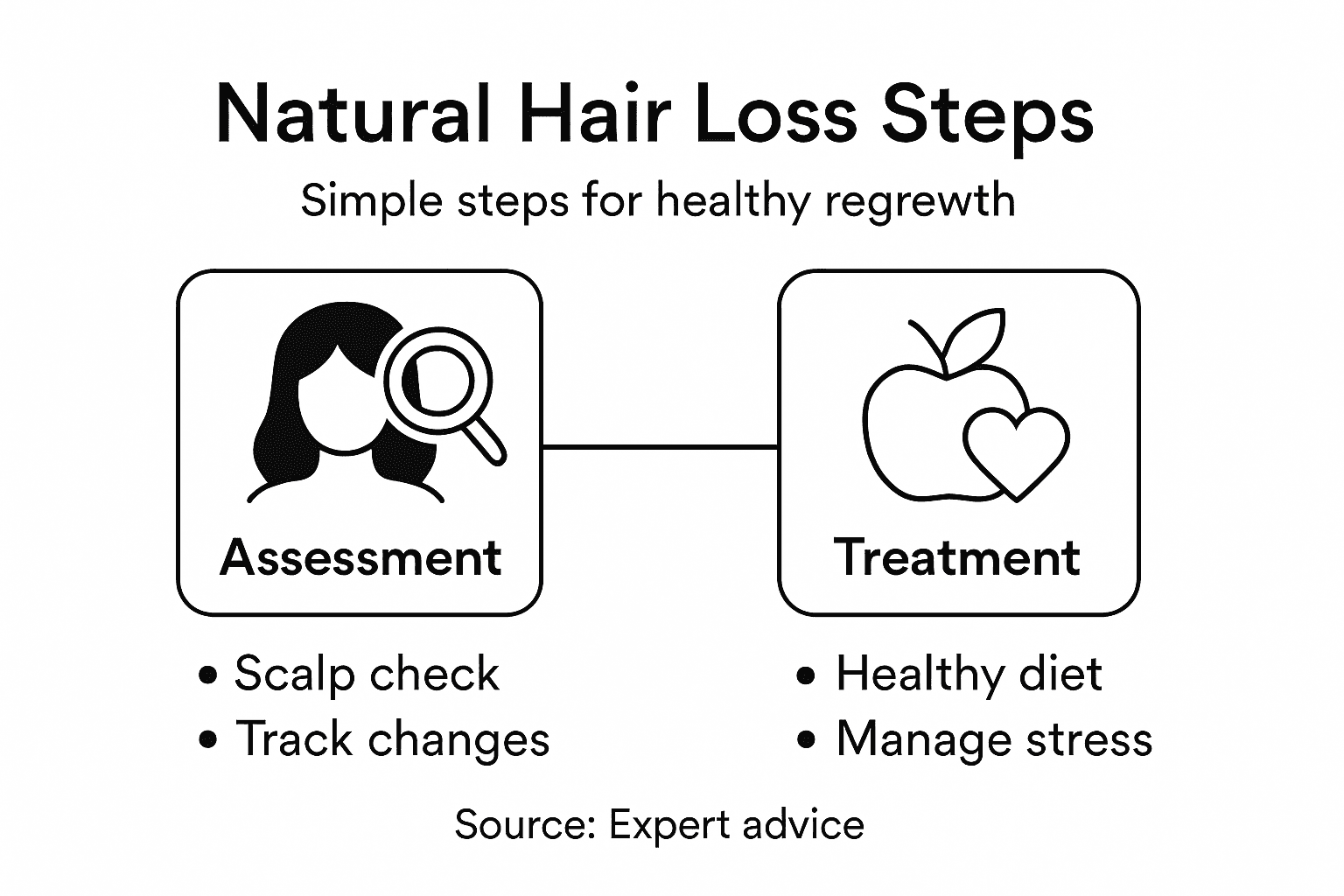
Step 1: Assess Hair Loss Patterns and Causes
Understanding what’s happening with your hair is the foundation of effective treatment. Hair loss rarely stems from a single cause, and identifying your specific pattern helps you address the root problem rather than just the symptom.
Start by observing where you’re losing hair. Female hair loss typically shows distinct patterns that can tell you a lot.
Common hair loss patterns to identify:
Diffuse thinning across your entire scalp (often linked to hormonal or nutritional factors)
Hair loss concentrated at the crown or parting line
Gradual thinning beginning after menopause
Sudden shedding following a stressful event or illness
Excessive hair fall during washing or brushing
Next, consider the timeline. When did you first notice the thinning? Did it start suddenly or gradually? This matters because female pattern baldness
typically progresses slowly, whilst other types like telogen effluvium can appear quite suddenly after stress, illness, or major life changes.
Look at your family history. Genetics play a significant role, so ask your mother, grandmother, or aunts whether they experienced hair thinning. If female pattern baldness runs in your family, you’re more likely to develop it, particularly around menopause.
Nutritional deficiencies (iron, zinc, B vitamins, protein)
Chronic stress or recent major life events
Gut health problems affecting nutrient absorption
Medications you’re currently taking
Postpartum changes
Hair loss signals underlying health issues
rather than occurring in isolation, so thinking about your overall health matters. Have you felt unusually tired, experienced mood changes, or noticed other physical symptoms alongside the hair loss?
Write down your observations. Note when the loss started, which areas are affected, how much hair you’re losing daily, and any other health changes you’ve noticed. This information becomes invaluable when discussing your situation with a professional.
Your hair loss pattern and timeline are your first clues to what’s actually happening beneath the surface.
Pro tip:Take a clear photo of your scalp from multiple angles in good natural light, then repeat it monthly to track progress objectively—your eyes often miss gradual changes that photographs capture clearly.
Step 2: Consult a Specialist for Personalised Advice
Whilst your observations are valuable, getting a professional diagnosis transforms guesswork into a targeted treatment plan. A specialist can identify what’s actually driving your hair loss rather than relying on assumptions.
Seek out a board-certified dermatologist
or trichologist in Glasgow who specialises in hair loss. These professionals have the expertise to distinguish between different types of hair loss and uncover underlying causes that might not be obvious.
When you book your appointment, gather the information you collected earlier. Bring photos of your scalp, notes about when the hair loss started, your family history, and a list of any medications or supplements you’re taking.
During your consultation, expect a thorough assessment. Your specialist will ask detailed questions about your diet, hair care habits, stress levels, and medical history. They’re not being nosy—they’re connecting dots.
What diagnostic tests might your specialist perform:
Here’s a quick guide to common diagnostic methods and their unique purpose:
Diagnostic Method
Purpose
Likely Outcome
Physical scalp examination
Checks visible hair/scalp health
Identifies pattern & scalp issues
Blood tests
Analyses internal health
Reveals deficiencies or imbalances
Hair pull test
Assesses shedding severity
Quantifies hair loss intensity
Scalp biopsy
Examines follicle structure
Confirms diagnosis like alopecia
Light microscopy
Studies hair shaft details
Detects damaged or abnormal strands
Physical examination of your scalp and hair
Blood tests to check for thyroid problems, iron levels, and nutritional deficiencies
Hair pull test to assess how easily hair sheds
Scalp biopsy if pattern baldness needs confirmation
Light microscopy to examine hair shaft structure
Board-certified dermatologists determine treatment necessity
based on thorough findings rather than offering unnecessary interventions. Sometimes hair regrows naturally once underlying causes are addressed, so they’ll advise whether active treatment is needed.
The specialist will also discuss your specific treatment options. Depending on your diagnosis, this might include stopping medications that cause hair loss, addressing nutritional gaps, treating hormonal imbalances, or recommending medications like minoxidil.
Don’t hesitate to ask questions. Understanding your diagnosis and why a particular treatment is recommended helps you commit to the plan and track results effectively.
A proper diagnosis is the difference between treating a symptom and solving the actual problem.
Pro tip:Request a copy of your test results and diagnosis summary so you can reference them later and share with other healthcare providers if needed.
Step 3: Implement Natural and Medical Treatments
Once you understand what’s causing your hair loss, you can start taking action. The most effective approach combines foundational health improvements with targeted treatments tailored to your diagnosis.
Start with the fundamentals. Nutrition forms the foundation
of hair regrowth, so ensure you’re consuming adequate protein, iron, zinc, and B vitamins. These nutrients directly support hair growth cycles, and deficiencies can perpetuate hair loss even with other treatments.
Review your lifestyle habits as well. Manage stress through exercise, meditation, or activities you enjoy. Improve your sleep quality. Reduce heat styling and harsh chemical treatments. These changes create an environment where hair can actually thrive.
Addressing root causes alongside symptomatic treatment leads to sustainable regrowth rather than temporary fixes. This is why quick-fix products rarely work long-term.
For medical treatments, topical minoxidil helps regrow hair or slow loss and requires indefinite use to maintain benefits. Your specialist might also recommend treatments based on your specific diagnosis, whether that’s addressing hormonal imbalances, treating underlying thyroid conditions, or other interventions.
Use this table to understand differences between natural and medical treatment approaches:
Treatment Type
Typical Approach
Duration Needed
Example Benefits
Natural
Diet, lifestyle changes
Ongoing for healthy habits
Supports regrowth & scalp health
Medical
Prescribed medications
Continuous for effectiveness
Directly slows or reverses loss
Some types of hair loss resolve without active treatment once root causes are addressed. Others benefit from a combination approach. Your specialist’s recommendations should guide which treatments make sense for your situation.
Start implementing changes gradually rather than overhauling everything at once. This approach builds sustainable habits and helps you identify what actually works for your body.
Sustainable hair regrowth happens when you treat the whole picture, not just the visible symptom.
Pro tip:Set a reminder to take supplements or apply topical treatments at the same time daily, making the habit automatic rather than something you need to remember.
Step 4: Monitor Progress and Adjust Treatments
Starting treatment is only half the battle. Tracking what’s actually happening with your hair tells you whether your approach is working or needs tweaking.
Set a baseline before you start. Take those detailed photos you created earlier and note your current hair loss patterns. This becomes your reference point for measuring genuine progress.
Be realistic about timelines. Hair regrowth takes patience.
It may take several months before you see visible results, particularly with topical treatments. Your hair grows in cycles, and new growth won’t appear overnight.
Create a simple tracking system. Monthly photos from the same angles in consistent lighting reveal changes your eyes might miss day-to-day. Keep notes about how much hair you’re losing when washing or brushing, whether your scalp feels healthier, and how you’re feeling overall.
Managing hair loss is a dynamic process requiring periodic assessment of treatment response and needed adjustments. What works brilliantly for someone else might not work for you, and that’s completely normal.
What to monitor during your treatment journey:
Volume and density changes across your scalp
Reduced shedding during washing and brushing
New hair growth at the hairline or crown
Scalp health improvements
Side effects from medications or supplements
Overall energy and wellbeing
Schedule follow-up appointments with your specialist as recommended. They’ll conduct assessments and possibly repeat tests to evaluate effectiveness. If your current treatment isn’t delivering results after a reasonable timeframe, alternative or combination therapies may be considered.
Don’t abandon treatments prematurely. But also don’t persist with something clearly not working. Your specialist helps you distinguish between normal slow progress and genuine treatment failure.
Remember that progress isn’t always linear. Some weeks you’ll notice improvement, other weeks nothing obvious happens. That’s the reality of hair regrowth.
Progress takes time, but consistent monitoring ensures you’re moving in the right direction.
Pro tip:Use a dedicated folder or app to store your progress photos and notes, making patterns visible and giving you concrete evidence of improvement even when you feel discouraged.
Take Control of Female Hair Loss with Expert Care in Glasgow
Struggling with female hair loss can feel overwhelming, especially when trying to navigate natural treatments and understand underlying causes. This comprehensive guide highlights common challenges such as identifying your hair loss pattern, managing nutritional deficiencies, and seeking personalised advice. If you have noticed thinning hair, increased shedding, or scalp changes, you deserve a tailored solution that addresses the root cause rather than just the symptom.
At Glasgow Hair Transplant Clinics, we specialise in both advanced surgical options like female hair transplants and non-surgical treatments including platelet-rich plasma therapy. Our experienced team uses modern technology to offer personalised care designed to restore not only your hair but also your confidence. Don’t wait until hair loss progresses. Book your free consultation today to get a precise diagnosis and a treatment plan that fits your unique needs. Visit us at https://glasgowhairtransplantclinics.co.uk
to learn more and take the first step towards reclaiming thicker, healthier hair.
Frequently Asked Questions
What are the common causes of female hair loss?
Female hair loss can stem from various factors including hormonal changes, nutritional deficiencies, and stress. Assess your situation by noting any changes in your health, diet, or stress levels to identify potential underlying causes.
How can I improve my diet to support hair regrowth?
Improving your diet involves incorporating foods rich in protein, iron, zinc, and B vitamins. Aim for a balanced diet that includes nuts, leafy greens, lean meats, and eggs to support hair health.
What natural treatments can I try at home for hair loss?
Natural treatments include scalp massage, which improves blood flow, and the use of nutrient-dense food supplements. Regularly implement scalp massages combined with dietary improvements and observe any changes over the next few months.
How do I monitor my progress in treating hair loss?
Monitoring progress involves taking monthly photos of your scalp from consistent angles and tracking any changes in hair volume or density. Record daily hair shedding amounts and note any improvements in scalp health, allowing adjustments to your treatment plan as needed.
When should I consult a specialist for my hair loss?
Consult a specialist if you notice significant changes in your hair loss pattern or if home treatments do not yield results after several months. Prepare for your appointment by gathering information about your hair loss timeline, family history, and any recent health changes to share with the specialist.
How to treat female hair loss naturally: step-by-step guide
Feeling self-conscious about thinning hair can make everyday moments in Glasgow a little less confident. For many women, hair loss is more than a cosmetic concern—it often reflects complex health factors such as hormones, nutrition, and stress. If you’re searching for reliable answers and treatments that truly address the underlying causes, this guide highlights a whole-body approach and practical steps for reclaiming healthy hair and wellbeing
with expert guidance tailored to your needs.
Searching for a “natural” treatment for hair loss in women often leads to supplements, oils and routines that promise more than they can deliver. Some practical changes can protect fragile hair and correct a genuine dietary problem, but they cannot treat every cause of thinning.
The first useful question is not which product to buy. It is what type of hair loss is happening. A widening part, sudden shedding, smooth bald patches and a sore or inflamed scalp are different problems. They do not share one home remedy.
If you are unsure about the pattern, start with a GP or dermatologist rather than taking several supplements at once. The NHS hair-loss guide
recommends seeing a GP if you are worried, and notes that hair loss can sometimes be linked to a medical condition.
This stock photograph shows normal hair texture, not a particular type of hair loss. Photo by RDNE Stock project via Pexels.
Look at the pattern and timing
Gradual thinning over the top of the scalp
Female pattern hair loss commonly develops slowly. The central part may look wider and more scalp becomes visible through the hair, while the front hairline is often retained. Family history can be relevant, but the pattern still needs to be separated from other causes of diffuse thinning.
More shedding than usual
Telogen effluvium causes increased shedding, often a few months after an illness, operation, birth, major weight change, severe stress or another physical trigger. The timing means the connection is not always obvious. The British Association of Dermatologists’ telogen effluvium information
explains that other types of thinning can look similar and may occur at the same time.
Patchy, painful or inflamed hair loss
Smooth patches can occur with alopecia areata. Redness, scale, spots, pain, marked itching, a shiny scalp or loss of eyebrows may suggest a different inflammatory or scarring process. These signs should not be managed with oils or massage while waiting to see what happens. Early assessment matters because some scarring conditions can permanently damage follicles.
What can be done safely at home?
Reduce unnecessary pulling and breakage
Choose styles that do not leave the scalp sore or place continuous tension on the edges. Tight braids, extensions, ponytails and buns can contribute to traction alopecia. If tension is identified early and removed, regrowth may be possible; longstanding traction can be permanent. The BAD traction alopecia guide
describes the common patterns and warning signs.
Handle wet hair gently, avoid repeated high heat and do not rely on frequent bleaching or chemical processing to disguise thinning. These measures reduce shaft damage and breakage. They do not restart follicles that have stopped producing hair.
Eat regularly and address proven deficiencies
A balanced diet with adequate energy, protein, iron and other nutrients supports normal hair growth. Crash dieting and a very restricted diet can contribute to shedding. If heavy periods, pregnancy, a restrictive diet, digestive symptoms or fatigue raise concern about iron deficiency, discuss testing with a clinician. NHS information on iron-deficiency anaemia
explains that diagnosis and treatment depend on the cause.
Do not assume that hair loss means you need iron, zinc, biotin or a high-dose multivitamin. Supplements are useful when there is a dietary gap or confirmed deficiency; unnecessary doses can cause side effects, interact with medicines and make some blood test results harder to interpret. Bring a list of everything you take to an appointment.
Use scalp care for comfort, not as a cure-all
A gentle shampoo and treatment of dandruff or dermatitis can make an itchy scalp more comfortable. Massage may feel relaxing, but it is not a substitute for diagnosing pattern hair loss, alopecia areata or a scarring disorder. Stop any oil, dye or cosmetic product that causes burning, swelling or a rash.
Record change without counting every hair
Take photographs once a month in the same lighting, with the same part and camera distance. Note when shedding began, any recent illness or medication change, menstrual changes and whether the scalp has symptoms. Daily hair counting usually adds anxiety without giving a reliable diagnosis.
When treatment may be discussed
Treatment follows the diagnosis. For female pattern hair loss, topical minoxidil may be considered. The British Association of Dermatologists’ patient guidance
notes that it may slow progression and partly restore hair in some women, but it can irritate the scalp and any benefit is maintained only while treatment continues. Ask a pharmacist, GP or dermatologist whether a product is appropriate for you, especially during pregnancy, while trying to conceive or when breastfeeding.
Sudden shedding may improve after the trigger has resolved, but persistent loss still deserves assessment. Alopecia areata, inflammatory scalp disease, thyroid problems and iron deficiency need their own management. A clinician may examine the scalp and, where the history suggests it, arrange blood tests or dermatology referral.
Hormonal changes can influence hair, but the word “hormonal” is not a diagnosis. Irregular periods, new facial hair, acne or other symptoms may prompt a broader medical review. Our article on hormones and female hair loss
explains the main distinctions.
Is a hair transplant an option?
A transplant moves suitable follicles; it does not treat an active medical cause of hair loss. Some women with a stable, localised pattern and a strong donor area may be candidates, while diffuse thinning, active shedding, alopecia areata or scarring disease can make surgery unsuitable or require specialist management first.
Suitability depends on diagnosis, donor density, miniaturisation, the area that needs coverage and the likelihood of future loss. A stage number or online photograph is not enough. See the clinic’s hair transplant information for women
for the questions considered during assessment.
Arrange an assessment sooner if
hair loss is sudden, patchy or rapidly worsening;
the scalp is painful, inflamed, crusted or becoming smooth and shiny;
you are also losing eyebrows or eyelashes;
shedding follows a new medicine or is accompanied by other symptoms;
you have fatigue, heavy periods, marked weight change or menstrual changes;
hair loss is affecting your wellbeing or you are unsure what is causing it.
This is general information, not a diagnosis. Seek advice from a GP, dermatologist or another appropriately qualified clinician about your own hair loss.
About the author
Dr Harpreet Kalra
is a GP and hair-transplant surgeon at Glasgow Hair Transplant Clinics. His consultations consider the diagnosis, donor area, existing hair and likely future pattern before treatment is discussed.
Get female hair loss assessed in Glasgow
Our team can review the pattern and possible causes before explaining evidence-based treatment and supportive care.
Hair loss in women: what you can do at home and when to get help
By
Dr Harpreet Kalra
· Updated 30 August 2026 · 7 minute read
Searching for a “natural” treatment for hair loss in women often leads to supplements, oils and routines that promise more than they can deliver. Some practical changes can protect fragile hair and correct a genuine dietary problem, but they cannot treat every cause of thinning.
The first useful question is not which product to buy. It is what type of hair loss is happening. A widening part, sudden shedding, smooth bald patches and a sore or inflamed scalp are different problems. They do not share one home remedy.
If you are unsure about the pattern, start with a GP or dermatologist rather than taking several supplements at once. The NHS hair-loss guide
recommends seeing a GP if you are worried, and notes that hair loss can sometimes be linked to a medical condition.
This stock photograph shows normal hair texture, not a particular type of hair loss. Photo by RDNE Stock project via Pexels.
Look at the pattern and timing
Gradual thinning over the top of the scalp
Female pattern hair loss commonly develops slowly. The central part may look wider and more scalp becomes visible through the hair, while the front hairline is often retained. Family history can be relevant, but the pattern still needs to be separated from other causes of diffuse thinning.
More shedding than usual
Telogen effluvium causes increased shedding, often a few months after an illness, operation, birth, major weight change, severe stress or another physical trigger. The timing means the connection is not always obvious. The British Association of Dermatologists’ telogen effluvium information
explains that other types of thinning can look similar and may occur at the same time.
Patchy, painful or inflamed hair loss
Smooth patches can occur with alopecia areata. Redness, scale, spots, pain, marked itching, a shiny scalp or loss of eyebrows may suggest a different inflammatory or scarring process. These signs should not be managed with oils or massage while waiting to see what happens. Early assessment matters because some scarring conditions can permanently damage follicles.
What can be done safely at home?
Reduce unnecessary pulling and breakage
Choose styles that do not leave the scalp sore or place continuous tension on the edges. Tight braids, extensions, ponytails and buns can contribute to traction alopecia. If tension is identified early and removed, regrowth may be possible; longstanding traction can be permanent. The BAD traction alopecia guide
describes the common patterns and warning signs.
Handle wet hair gently, avoid repeated high heat and do not rely on frequent bleaching or chemical processing to disguise thinning. These measures reduce shaft damage and breakage. They do not restart follicles that have stopped producing hair.
Eat regularly and address proven deficiencies
A balanced diet with adequate energy, protein, iron and other nutrients supports normal hair growth. Crash dieting and a very restricted diet can contribute to shedding. If heavy periods, pregnancy, a restrictive diet, digestive symptoms or fatigue raise concern about iron deficiency, discuss testing with a clinician. NHS information on iron-deficiency anaemia
explains that diagnosis and treatment depend on the cause.
Do not assume that hair loss means you need iron, zinc, biotin or a high-dose multivitamin. Supplements are useful when there is a dietary gap or confirmed deficiency; unnecessary doses can cause side effects, interact with medicines and make some blood test results harder to interpret. Bring a list of everything you take to an appointment.
Use scalp care for comfort, not as a cure-all
A gentle shampoo and treatment of dandruff or dermatitis can make an itchy scalp more comfortable. Massage may feel relaxing, but it is not a substitute for diagnosing pattern hair loss, alopecia areata or a scarring disorder. Stop any oil, dye or cosmetic product that causes burning, swelling or a rash.
Record change without counting every hair
Take photographs once a month in the same lighting, with the same part and camera distance. Note when shedding began, any recent illness or medication change, menstrual changes and whether the scalp has symptoms. Daily hair counting usually adds anxiety without giving a reliable diagnosis.
When treatment may be discussed
Treatment follows the diagnosis. For female pattern hair loss, topical minoxidil may be considered. The British Association of Dermatologists’ patient guidance
notes that it may slow progression and partly restore hair in some women, but it can irritate the scalp and any benefit is maintained only while treatment continues. Ask a pharmacist, GP or dermatologist whether a product is appropriate for you, especially during pregnancy, while trying to conceive or when breastfeeding.
Sudden shedding may improve after the trigger has resolved, but persistent loss still deserves assessment. Alopecia areata, inflammatory scalp disease, thyroid problems and iron deficiency need their own management. A clinician may examine the scalp and, where the history suggests it, arrange blood tests or dermatology referral.
Hormonal changes can influence hair, but the word “hormonal” is not a diagnosis. Irregular periods, new facial hair, acne or other symptoms may prompt a broader medical review. Our article on hormones and female hair loss
explains the main distinctions.
Is a hair transplant an option?
A transplant moves suitable follicles; it does not treat an active medical cause of hair loss. Some women with a stable, localised pattern and a strong donor area may be candidates, while diffuse thinning, active shedding, alopecia areata or scarring disease can make surgery unsuitable or require specialist management first.
Suitability depends on diagnosis, donor density, miniaturisation, the area that needs coverage and the likelihood of future loss. A stage number or online photograph is not enough. See the clinic’s hair transplant information for women
for the questions considered during assessment.
Arrange an assessment sooner if
hair loss is sudden, patchy or rapidly worsening;
the scalp is painful, inflamed, crusted or becoming smooth and shiny;
you are also losing eyebrows or eyelashes;
shedding follows a new medicine or is accompanied by other symptoms;
you have fatigue, heavy periods, marked weight change or menstrual changes;
hair loss is affecting your wellbeing or you are unsure what is causing it.
This is general information, not a diagnosis. Seek advice from a GP, dermatologist or another appropriately qualified clinician about your own hair loss.
Questions and answers
Can a natural product replace a diagnosis?
No. Female hair loss has different causes, and a product described as natural does not establish which one you have. Seek advice if the change is worrying, persistent or accompanied by scalp symptoms.
Are vitamins useful for every woman with thinning hair?
No. Improving an inadequate diet or treating a confirmed deficiency may be relevant, but taking additional vitamins is not a universal hair-loss treatment. Discuss supplements with your clinician.
Should I mention pregnancy or breastfeeding when asking about treatment?
Yes. These circumstances can affect both the possible explanation for shedding and which treatments are appropriate. Check before starting a medicine, supplement or scalp treatment.
About the author
Dr Harpreet Kalra
is a GP and hair-transplant surgeon at Glasgow Hair Transplant Clinics. His consultations consider the diagnosis, donor area, existing hair and likely future pattern before treatment is discussed.
Get female hair loss assessed in Glasgow
Our team can review the pattern and possible causes before explaining evidence-based treatment and supportive care.