
Improve scalp health for regrowth: your complete guide
A healthy scalp is the foundation for effective hair regrowth, and without it, even the best treatments struggle to deliver results. Scalp health refers to the condition of the skin, sebaceous glands, and follicular environment that together determine whether hair can grow, shed normally, and renew. For anyone experiencing hair thinning or loss, understanding the role of scalp health in hair loss is the first step towards making meaningful progress. This guide draws on current NHS-aligned clinical evidence and the expertise of Glasgowhairtransplantclinics to give you a clear, practical path forward.

Improve scalp health for regrowth: your complete guide
A healthy scalp is the foundation for effective hair regrowth, and without it, even the best treatments struggle to deliver results. Scalp health refers to the condition of the skin, sebaceous glands, and follicular environment that together determine whether hair can grow, shed normally, and renew. For anyone experiencing hair thinning or loss, understanding the role of scalp health in hair loss is the first step towards making meaningful progress. This guide draws on current NHS-aligned clinical evidence and the expertise of Glasgowhairtransplantclinics to give you a clear, practical path forward.
What factors affect scalp health and impede hair regrowth?
Several distinct causes can compromise the scalp environment and slow or halt hair regrowth. Identifying which applies to you is more productive than applying generic remedies.
Inflammation and scalp conditions
Seborrhoeic dermatitis is one of the most common scalp conditions affecting adults in the UK. It causes flaking, redness, and itching, and requires specific antifungal and anti-inflammatory treatment to manage effectively. Seborrhoeic dermatitis does not usually cause permanent hair loss, but if left untreated, it can lead to secondary infections. In serious cases, a complication called kerion formation requires urgent medical attention to prevent scarring.
Mechanical and chemical damage
Physical stress on the hair shaft and follicle is a direct cause of preventable hair loss. Tight hairstyles such as braids, cornrows, and high ponytails place sustained tension on follicles, a condition known as traction alopecia. Heat styling and chemical treatments weaken the hair shaft over time, increasing breakage and reducing density. Avoiding tight hairstyles and heat damage is one of the most effective ways to preserve existing follicles while undergoing any treatment.
Medical causes and nutritional deficiencies
Several medical conditions directly affect the scalp and follicle cycle. Thyroid disorders, iron deficiency anaemia, low vitamin D, and zinc deficiency all disrupt the normal hair growth cycle. Stress is another significant trigger. Telogen effluvium causes diffuse thinning that typically begins two to three months after a trigger such as illness, surgery, or sustained psychological stress. Postpartum shedding follows the same pattern and usually resolves within six to twelve months. Patients often misattribute the timing of this shedding without clinical explanation, which leads to unnecessary anxiety.
- Seborrhoeic dermatitis: requires antifungal treatment; does not cause permanent loss if managed promptly
- Traction alopecia: caused by tight hairstyles; reversible if tension is removed early
- Telogen effluvium: triggered by illness, stress, or nutritional deficiency; shedding peaks two to three months post-trigger
- Thyroid disorders and iron deficiency: require blood tests and medical management
- Chemical and heat damage: weakens the shaft and increases breakage over time
Pro Tip: Never start a supplement for hair loss without first confirming a deficiency through a blood test. Taking iron or zinc without a confirmed deficiency can cause harm and may skew future test results.
How to create an optimal scalp care routine for regrowth
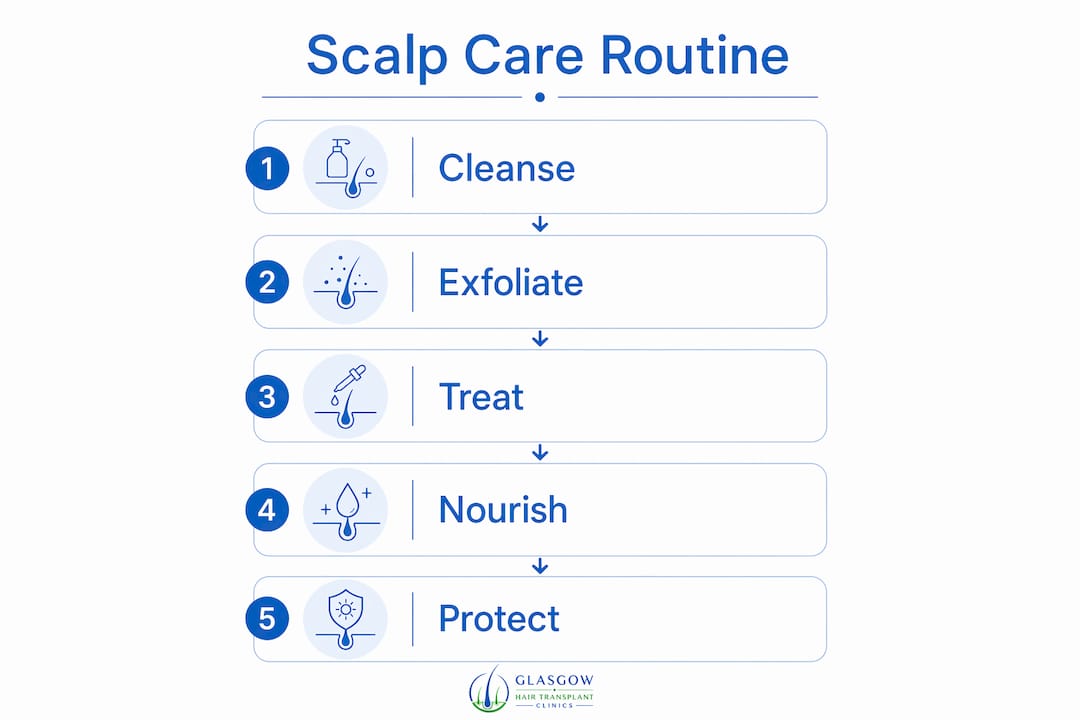
A consistent, gentle scalp care routine reduces inflammation, removes product build-up, and creates the conditions in which follicles can function properly. The goal is not to stimulate growth directly but to remove the obstacles that prevent it.
- Cleanse gently and regularly. Wash your scalp according to your hair type. Oily scalps benefit from washing every two to three days. Dry or sensitive scalps may need washing once or twice a week. Use a mild, sulphate-free shampoo unless treating a specific condition.
- Use medicated shampoos only when indicated. Shampoos containing ketoconazole or zinc pyrithione are appropriate for seborrhoeic dermatitis. No shampoo formulation has demonstrated the ability to promote hair regrowth. Their value lies in controlling inflammation and managing scalp conditions, not in stimulating follicles directly.
- Exfoliate the scalp periodically. Scalp exfoliation removes dead skin cells and product residue that can block follicles. Use a gentle physical scrub or a salicylic acid-based product once a week. Avoid over-exfoliating, as this can irritate the scalp and worsen inflammation.
- Practise scalp massage with realistic expectations. Massaging the scalp for four to five minutes daily may improve circulation to the follicles. Scalp massage lacks formal NHS or NICE endorsement as a standalone treatment, but small studies suggest it may complement established therapies. Use your fingertips rather than nails, and apply gentle circular pressure.
- Dry and style carefully. Pat the scalp dry rather than rubbing. Allow hair to air-dry where possible. When using a hairdryer, keep it on a low heat setting and hold it at least 15 centimetres from the scalp.
Pro Tip: Persistent scalp itching, pain, or visible scaling that does not resolve within two weeks of gentle care warrants a GP or dermatologist appointment. Early assessment prevents minor conditions from becoming harder to treat.
Nutritional and lifestyle strategies to support scalp health
The scalp is living tissue, and what you eat directly affects its condition. Nutritional deficiencies are a confirmed cause of hair loss, but supplementation without clinical evidence of deficiency is counterproductive.
A balanced diet rich in protein, iron, zinc, and vitamin D supports the hair growth cycle at a cellular level. Hair follicles are among the most metabolically active structures in the body, which makes them particularly sensitive to nutritional shortfalls. Protein provides the building blocks for keratin, the structural protein that makes up the hair shaft. Iron carries oxygen to the follicle, and without adequate supply, the follicle enters a resting phase prematurely.
Supplements for hair loss should only be taken after blood tests confirm a deficiency. Excess selenium or vitamin A can worsen hair loss. High-dose biotin supplementation can cause false results in thyroid and cardiac blood tests, as noted in UK MHRA guidance, so it should be stopped before any laboratory testing.
- Protein: aim for adequate daily intake through eggs, lean meat, legumes, and dairy
- Iron: confirmed deficiency requires supplementation under medical supervision
- Zinc: found in nuts, seeds, and wholegrains; supplement only if deficient
- Vitamin D: low levels are common in the UK; a GP can test and advise on appropriate dosing
- Hydration and sleep: both support the scalp’s repair processes and the hair cycle’s renewal phase
Stress management deserves particular attention. Managing stress through mindfulness, cognitive behavioural therapy (CBT), or structured exercise can reduce the risk of telogen effluvium recurring. Smoking reduces blood flow to the scalp and is associated with accelerated hair thinning. Stopping smoking benefits both scalp circulation and overall follicle health.
For those exploring natural approaches alongside medical care, the female hair loss guide from Glasgowhairtransplantclinics provides NHS-aligned guidance on supplement use and scalp support strategies.
When should you seek professional advice for hair loss?
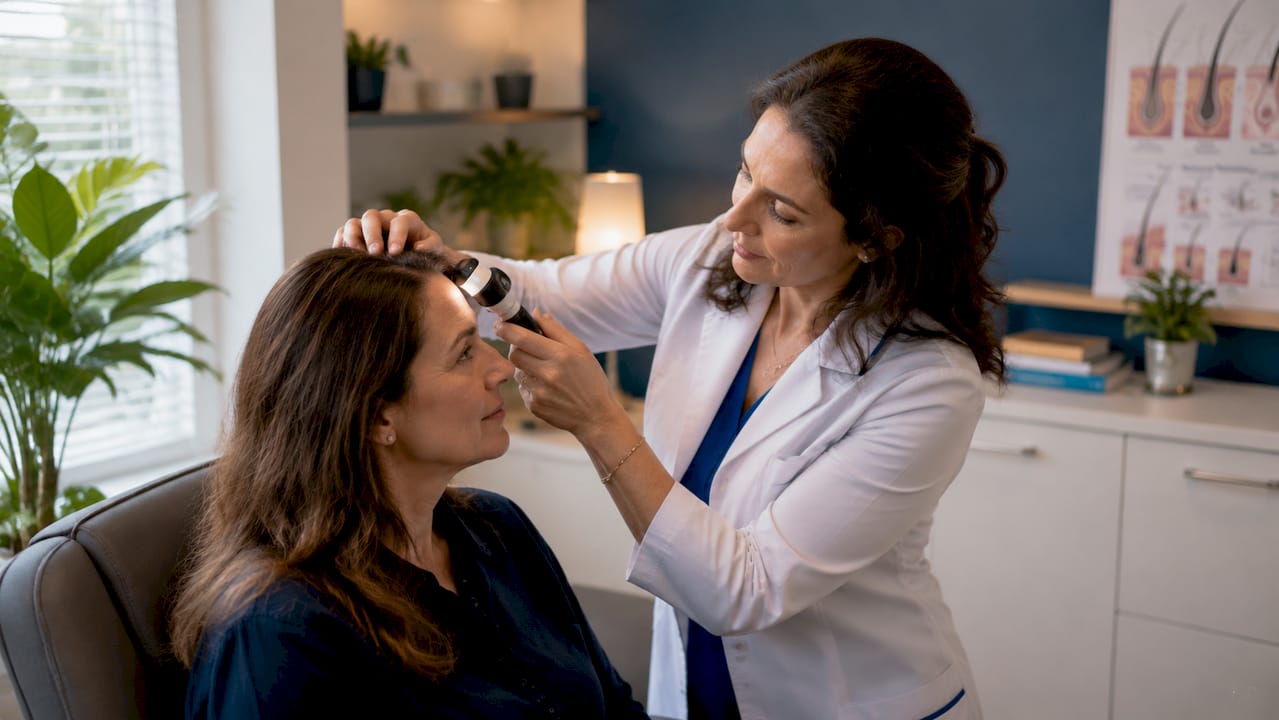
Some forms of hair loss require medical diagnosis and licensed treatment. Lifestyle changes and scalp care routines support follicle health, but they cannot reverse androgenetic alopecia or scarring conditions on their own.
Seek a GP or dermatologist assessment if you notice any of the following:
- Sudden or patchy hair loss appearing over days or weeks
- Scalp pain, tenderness, or a boggy texture
- Visible redness, scaling, or pustules on the scalp
- Hair loss accompanied by fatigue, weight change, or other systemic symptoms
- No improvement after three to six months of consistent scalp care
Androgenetic alopecia is genetic and hormonal in origin. Lifestyle measures support the scalp environment but do not reverse the underlying hormonal process. Licensed medical treatments are required for meaningful results.
The treatments with the strongest clinical evidence in the UK are topical minoxidil and oral finasteride for men, with corticosteroids or JAK inhibitors used for alopecia areata. Minoxidil typically takes 3–6 months to produce visible results, and finasteride is available on prescription only. Accurate diagnosis is essential before starting any treatment, as the approach for androgenetic alopecia differs significantly from that for telogen effluvium or scarring alopecia.
Monitoring blood tests, including thyroid function, full blood count, ferritin, and vitamin D, provide the clinical picture needed to guide treatment. Self-diagnosing and self-treating without this information risks delaying effective care. Glasgowhairtransplantclinics offers personalised consultations to help patients understand their diagnosis and the options available to them.
Key takeaways
A healthy scalp environment is the single most important factor in supporting hair regrowth, and addressing it requires both consistent daily care and accurate medical diagnosis.
| Point | Details |
|---|---|
| Scalp care reduces obstacles | Gentle cleansing and exfoliation remove build-up that blocks follicles and worsens inflammation. |
| Supplements require testing | Take iron, zinc, or biotin only after blood tests confirm a deficiency to avoid harm. |
| Telogen effluvium resolves | Shedding triggered by stress or illness typically peaks at two to three months and resolves with time. |
| Medical treatment is needed for pattern loss | Androgenetic alopecia requires topical minoxidil or finasteride; lifestyle alone cannot reverse it. |
| Early assessment prevents scarring | Conditions like seborrhoeic dermatitis and kerion need prompt treatment to avoid permanent follicle damage. |
What I have learned from years of watching patients approach scalp health
The most common mistake I see is patients arriving with a bag full of supplements they have been taking for months, none of which were prescribed following a blood test. They have read that biotin or iron helps hair growth, and they have acted on that without any clinical confirmation of a deficiency. In several cases, the biotin itself was interfering with their thyroid test results, which delayed an accurate diagnosis by weeks.
The second pattern I notice is an overreliance on scalp massage as a primary treatment. Massage has a place in a routine, and I encourage patients to include it. But I have seen people spend months massaging their scalp while avoiding the GP appointment that would have identified a treatable thyroid condition. Scalp care is supportive, not curative.
What genuinely works is the combination: a consistent, gentle daily routine that reduces inflammation and mechanical damage, paired with accurate diagnosis and, where appropriate, licensed medical treatment. Stress is the factor most patients underestimate. I have seen clear cases of telogen effluvium in people who dismissed their stress levels as normal, only to connect the dots when the shedding began three months after a difficult period at work or a bereavement.
Progress with scalp health and hair regrowth is gradual. Expecting visible change in under three months leads to abandoning routines that were actually working. Patience, consistency, and collaboration with a qualified clinician produce the best outcomes.
— Harley
Professional scalp and hair loss support at Glasgowhairtransplantclinics
When home care and lifestyle changes are not enough, professional assessment and treatment make a measurable difference.

Glasgowhairtransplantclinics offers a full range of hair restoration services across the UK, including hair transplant procedures using Follicular Unit Extraction (FUE) and DHI techniques, as well as Platelet Rich Plasma (PRP) therapy and Scalp Micro Pigmentation (SMP). All surgeons are registered with the General Medical Council (GMC), and clinics hold CQC and HIS registration for patient safety. A free consultation, available online or in person, gives you a clear picture of your diagnosis and the treatment options suited to your specific pattern of hair loss. Contact Glasgowhairtransplantclinics today to take the first step towards a personalised plan.
FAQ
What is the role of scalp health in hair loss?
The scalp provides the environment in which follicles grow, rest, and shed. Inflammation, poor circulation, and blocked follicles all impair this process and can accelerate or worsen hair loss.
Does scalp massage promote hair regrowth?
Scalp massage may complement established treatments and could improve local circulation, but it lacks formal NHS or NICE endorsement as a standalone regrowth therapy. Small studies show limited benefit when combined with topical agents.
Which nutrients support scalp health and hair regrowth?
Iron, zinc, vitamin D, and protein are the nutrients most directly linked to healthy follicle function. Supplementation is only appropriate when a blood test confirms a deficiency.
How long does telogen effluvium last?
Shedding typically peaks two to three months after the trigger, such as illness, stress, or childbirth. Postpartum telogen effluvium usually resolves within six to twelve months without medical treatment.
When should I see a doctor about hair loss?
See a GP or dermatologist if you experience sudden or patchy hair loss, scalp pain, visible scaling, or no improvement after three to six months of consistent scalp care. Early diagnosis prevents minor conditions from causing permanent follicle damage.
Recommended
Certifications




What factors affect scalp health and impede hair regrowth?
Several distinct causes can compromise the scalp environment and slow or halt hair regrowth. Identifying which applies to you is more productive than applying generic remedies.
Inflammation and scalp conditions
Seborrhoeic dermatitis is one of the most common scalp conditions affecting adults in the UK. It causes flaking, redness, and itching, and requires specific antifungal and anti-inflammatory treatment to manage effectively. Seborrhoeic dermatitis does not usually cause permanent hair loss, but if left untreated, it can lead to secondary infections. In serious cases, a complication called kerion formation requires urgent medical attention to prevent scarring.
Mechanical and chemical damage
Physical stress on the hair shaft and follicle is a direct cause of preventable hair loss. Tight hairstyles such as braids, cornrows, and high ponytails place sustained tension on follicles, a condition known as traction alopecia. Heat styling and chemical treatments weaken the hair shaft over time, increasing breakage and reducing density. Avoiding tight hairstyles and heat damage is one of the most effective ways to preserve existing follicles while undergoing any treatment.
Medical causes and nutritional deficiencies
Several medical conditions directly affect the scalp and follicle cycle. Thyroid disorders, iron deficiency anaemia, low vitamin D, and zinc deficiency all disrupt the normal hair growth cycle. Stress is another significant trigger. Telogen effluvium causes diffuse thinning that typically begins two to three months after a trigger such as illness, surgery, or sustained psychological stress. Postpartum shedding follows the same pattern and usually resolves within six to twelve months. Patients often misattribute the timing of this shedding without clinical explanation, which leads to unnecessary anxiety.
- Seborrhoeic dermatitis: requires antifungal treatment; does not cause permanent loss if managed promptly
- Traction alopecia: caused by tight hairstyles; reversible if tension is removed early
- Telogen effluvium: triggered by illness, stress, or nutritional deficiency; shedding peaks two to three months post-trigger
- Thyroid disorders and iron deficiency: require blood tests and medical management
- Chemical and heat damage: weakens the shaft and increases breakage over time
Pro Tip: Never start a supplement for hair loss without first confirming a deficiency through a blood test. Taking iron or zinc without a confirmed deficiency can cause harm and may skew future test results.
How to create an optimal scalp care routine for regrowth
A consistent, gentle scalp care routine reduces inflammation, removes product build-up, and creates the conditions in which follicles can function properly. The goal is not to stimulate growth directly but to remove the obstacles that prevent it.
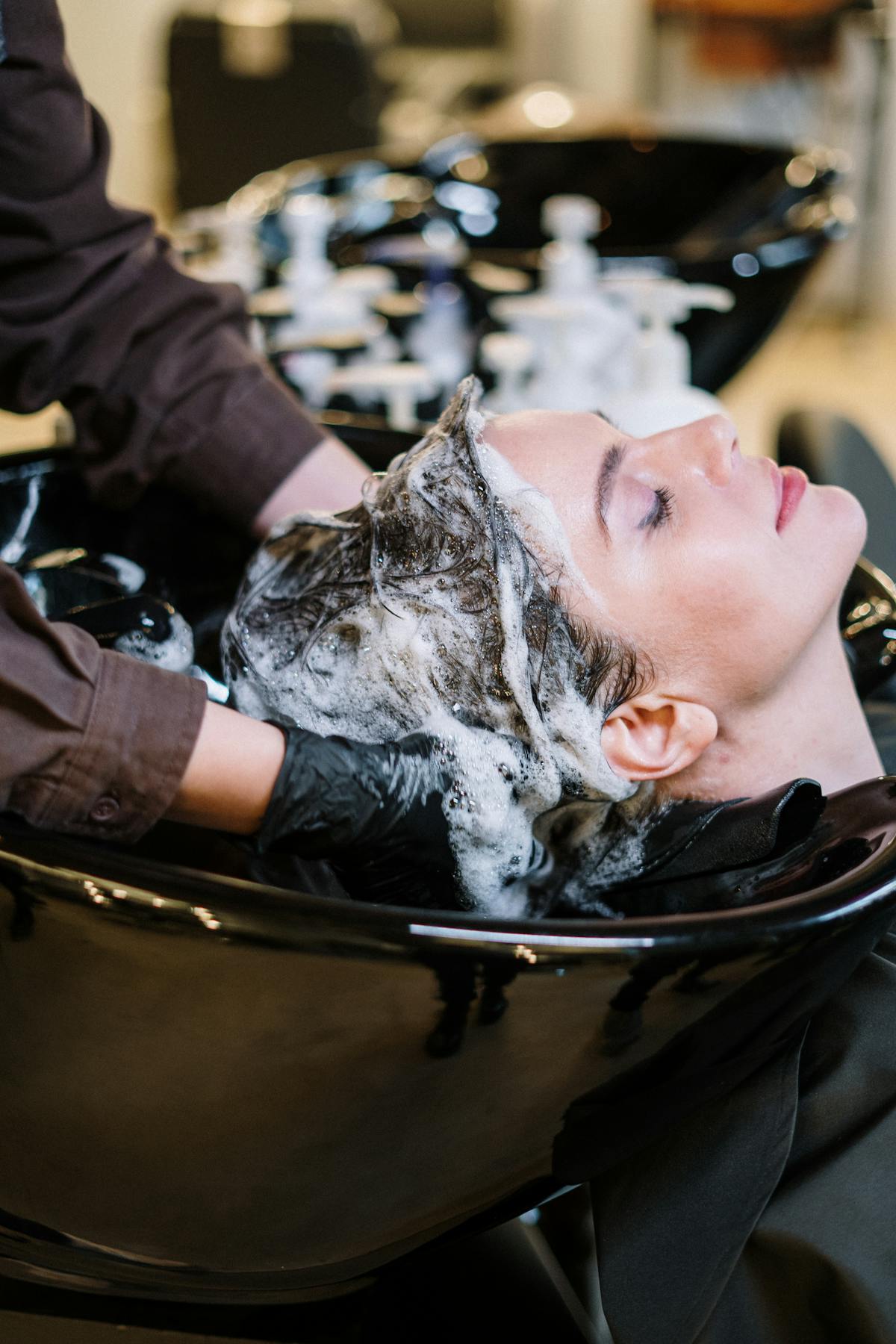
- Cleanse gently and regularly. Wash your scalp according to your hair type. Oily scalps benefit from washing every two to three days. Dry or sensitive scalps may need washing once or twice a week. Use a mild, sulphate-free shampoo unless treating a specific condition.
- Use medicated shampoos only when indicated. Shampoos containing ketoconazole or zinc pyrithione are appropriate for seborrhoeic dermatitis. No shampoo formulation has demonstrated the ability to promote hair regrowth. Their value lies in controlling inflammation and managing scalp conditions, not in stimulating follicles directly.
- Exfoliate the scalp periodically. Scalp exfoliation removes dead skin cells and product residue that can block follicles. Use a gentle physical scrub or a salicylic acid-based product once a week. Avoid over-exfoliating, as this can irritate the scalp and worsen inflammation.
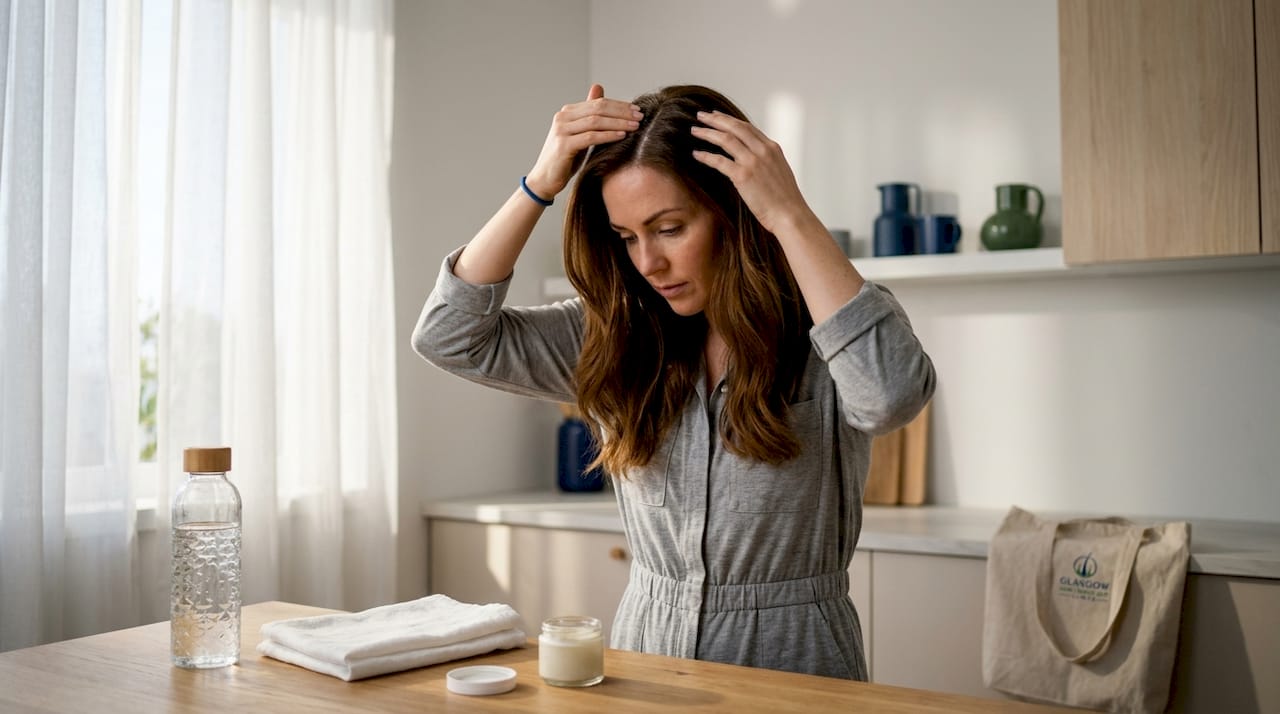
- Practise scalp massage with realistic expectations. Massaging the scalp for four to five minutes daily may improve circulation to the follicles. Scalp massage lacks formal NHS or NICE endorsement as a standalone treatment, but small studies suggest it may complement established therapies. Use your fingertips rather than nails, and apply gentle circular pressure.
- Dry and style carefully. Pat the scalp dry rather than rubbing. Allow hair to air-dry where possible. When using a hairdryer, keep it on a low heat setting and hold it at least 15 centimetres from the scalp.
Pro Tip: Persistent scalp itching, pain, or visible scaling that does not resolve within two weeks of gentle care warrants a GP or dermatologist appointment. Early assessment prevents minor conditions from becoming harder to treat.
Nutritional and lifestyle strategies to support scalp health
The scalp is living tissue, and what you eat directly affects its condition. Nutritional deficiencies are a confirmed cause of hair loss, but supplementation without clinical evidence of deficiency is counterproductive.
A balanced diet rich in protein, iron, zinc, and vitamin D supports the hair growth cycle at a cellular level. Hair follicles are among the most metabolically active structures in the body, which makes them particularly sensitive to nutritional shortfalls. Protein provides the building blocks for keratin, the structural protein that makes up the hair shaft. Iron carries oxygen to the follicle, and without adequate supply, the follicle enters a resting phase prematurely.
Supplements for hair loss should only be taken after blood tests confirm a deficiency. Excess selenium or vitamin A can worsen hair loss. High-dose biotin supplementation can cause false results in thyroid and cardiac blood tests, as noted in UK MHRA guidance, so it should be stopped before any laboratory testing.
- Protein: aim for adequate daily intake through eggs, lean meat, legumes, and dairy
- Iron: confirmed deficiency requires supplementation under medical supervision
- Zinc: found in nuts, seeds, and wholegrains; supplement only if deficient
- Vitamin D: low levels are common in the UK; a GP can test and advise on appropriate dosing
- Hydration and sleep: both support the scalp’s repair processes and the hair cycle’s renewal phase
Stress management deserves particular attention. Managing stress through mindfulness, cognitive behavioural therapy (CBT), or structured exercise can reduce the risk of telogen effluvium recurring. Smoking reduces blood flow to the scalp and is associated with accelerated hair thinning. Stopping smoking benefits both scalp circulation and overall follicle health.
For those exploring natural approaches alongside medical care, the female hair loss guide from Glasgowhairtransplantclinics provides NHS-aligned guidance on supplement use and scalp support strategies.
When should you seek professional advice for hair loss?
Some forms of hair loss require medical diagnosis and licensed treatment. Lifestyle changes and scalp care routines support follicle health, but they cannot reverse androgenetic alopecia or scarring conditions on their own.
Seek a GP or dermatologist assessment if you notice any of the following:
- Sudden or patchy hair loss appearing over days or weeks
- Scalp pain, tenderness, or a boggy texture
- Visible redness, scaling, or pustules on the scalp
- Hair loss accompanied by fatigue, weight change, or other systemic symptoms
- No improvement after three to six months of consistent scalp care
Androgenetic alopecia is genetic and hormonal in origin. Lifestyle measures support the scalp environment but do not reverse the underlying hormonal process. Licensed medical treatments are required for meaningful results.
The treatments with the strongest clinical evidence in the UK are topical minoxidil and oral finasteride for men, with corticosteroids or JAK inhibitors used for alopecia areata. Minoxidil typically takes 3–6 months to produce visible results, and finasteride is available on prescription only. Accurate diagnosis is essential before starting any treatment, as the approach for androgenetic alopecia differs significantly from that for telogen effluvium or scarring alopecia.
Monitoring blood tests, including thyroid function, full blood count, ferritin, and vitamin D, provide the clinical picture needed to guide treatment. Self-diagnosing and self-treating without this information risks delaying effective care. Glasgowhairtransplantclinics offers personalised consultations to help patients understand their diagnosis and the options available to them.
Key takeaways
A healthy scalp environment is the single most important factor in supporting hair regrowth, and addressing it requires both consistent daily care and accurate medical diagnosis.
| Point | Details |
|---|---|
| Scalp care reduces obstacles | Gentle cleansing and exfoliation remove build-up that blocks follicles and worsens inflammation. |
| Supplements require testing | Take iron, zinc, or biotin only after blood tests confirm a deficiency to avoid harm. |
| Telogen effluvium resolves | Shedding triggered by stress or illness typically peaks at two to three months and resolves with time. |
| Medical treatment is needed for pattern loss | Androgenetic alopecia requires topical minoxidil or finasteride; lifestyle alone cannot reverse it. |
| Early assessment prevents scarring | Conditions like seborrhoeic dermatitis and kerion need prompt treatment to avoid permanent follicle damage. |
What I have learned from years of watching patients approach scalp health
The most common mistake I see is patients arriving with a bag full of supplements they have been taking for months, none of which were prescribed following a blood test. They have read that biotin or iron helps hair growth, and they have acted on that without any clinical confirmation of a deficiency. In several cases, the biotin itself was interfering with their thyroid test results, which delayed an accurate diagnosis by weeks.
The second pattern I notice is an overreliance on scalp massage as a primary treatment. Massage has a place in a routine, and I encourage patients to include it. But I have seen people spend months massaging their scalp while avoiding the GP appointment that would have identified a treatable thyroid condition. Scalp care is supportive, not curative.
What genuinely works is the combination: a consistent, gentle daily routine that reduces inflammation and mechanical damage, paired with accurate diagnosis and, where appropriate, licensed medical treatment. Stress is the factor most patients underestimate. I have seen clear cases of telogen effluvium in people who dismissed their stress levels as normal, only to connect the dots when the shedding began three months after a difficult period at work or a bereavement.
Progress with scalp health and hair regrowth is gradual. Expecting visible change in under three months leads to abandoning routines that were actually working. Patience, consistency, and collaboration with a qualified clinician produce the best outcomes.
— Harley
Professional scalp and hair loss support at Glasgowhairtransplantclinics
When home care and lifestyle changes are not enough, professional assessment and treatment make a measurable difference.
Glasgowhairtransplantclinics offers a full range of hair restoration services across the UK, including hair transplant procedures using Follicular Unit Extraction (FUE) and DHI techniques, as well as Platelet Rich Plasma (PRP) therapy and Scalp Micro Pigmentation (SMP). All surgeons are registered with the General Medical Council (GMC), and clinics hold CQC and HIS registration for patient safety. A free consultation, available online or in person, gives you a clear picture of your diagnosis and the treatment options suited to your specific pattern of hair loss. Contact Glasgowhairtransplantclinics today to take the first step towards a personalised plan.
FAQ
What is the role of scalp health in hair loss?
The scalp provides the environment in which follicles grow, rest, and shed. Inflammation, poor circulation, and blocked follicles all impair this process and can accelerate or worsen hair loss.
Does scalp massage promote hair regrowth?
Scalp massage may complement established treatments and could improve local circulation, but it lacks formal NHS or NICE endorsement as a standalone regrowth therapy. Small studies show limited benefit when combined with topical agents.
Which nutrients support scalp health and hair regrowth?
Iron, zinc, vitamin D, and protein are the nutrients most directly linked to healthy follicle function. Supplementation is only appropriate when a blood test confirms a deficiency.
How long does telogen effluvium last?
Shedding typically peaks two to three months after the trigger, such as illness, stress, or childbirth. Postpartum telogen effluvium usually resolves within six to twelve months without medical treatment.
When should I see a doctor about hair loss?
See a GP or dermatologist if you experience sudden or patchy hair loss, scalp pain, visible scaling, or no improvement after three to six months of consistent scalp care. Early diagnosis prevents minor conditions from causing permanent follicle damage.

About the author
Dr Harpreet Kalra is a GP and hair-transplant surgeon at Glasgow Hair Transplant Clinics. His consultations consider the diagnosis, donor area, existing hair and likely future pattern before treatment is discussed.
Get a scalp and hair-loss assessment
Our Glasgow team can review scalp health, identify concerns and explain which steps may support your treatment plan.
Book a Free Consultation