
Alopecia: Types, Causes and Hair Loss Treatment
Alopecia is the medical term for hair loss, but it covers several very different conditions. This article explains the common types, what may cause them, when hair can grow back and when medical assessment should come before treatment.
Certifications




Hair loss can creep in over several years or become obvious within a few weeks. The word alopecia simply means hair loss; it is not one diagnosis. Some forms are inherited, some involve the immune system, and others follow illness, medication, hormonal change, repeated tension or damage to the scalp.
Finding the cause matters because the next step is different for each condition. A receding hairline may be suitable for treatment once the pattern is stable. Sudden patches, a painful or inflamed scalp, or rapid shedding should be assessed by a GP or dermatologist before a commercial treatment is considered.
What is alopecia?
Alopecia can mean partial or complete loss of hair from the scalp or body. It affects men, women and children, and it does not always look the same. One person may notice gradual thinning around the temples or crown. Another may find a smooth, round patch with very little warning.
Doctors also distinguish between non-scarring and scarring hair loss. In non-scarring alopecia the follicles remain in the skin, so regrowth may still be possible. Scarring alopecia damages the follicles and replaces them with scar tissue. Once a follicle has been destroyed, it cannot produce another hair.
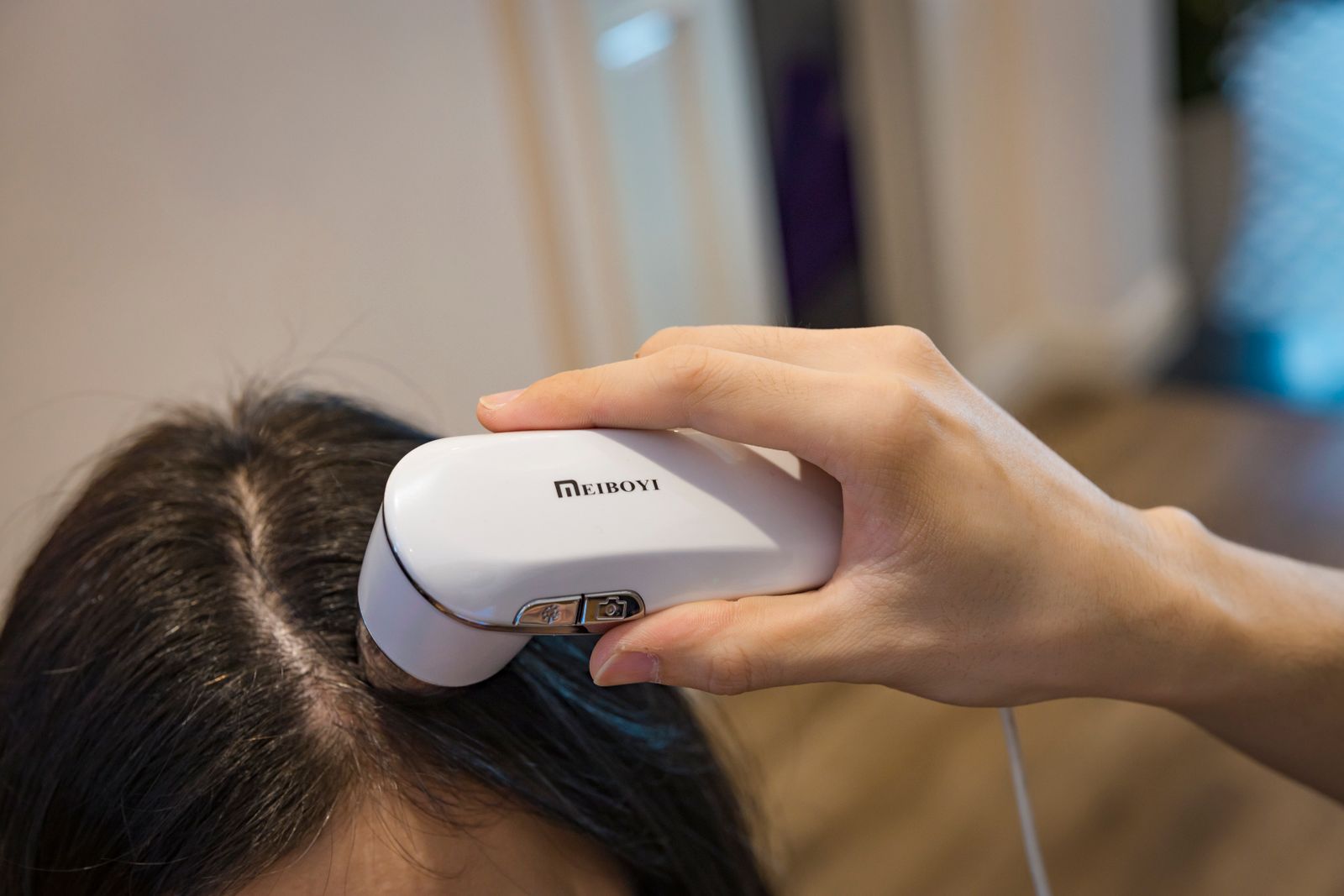
An assessment considers where the loss has occurred, how quickly it started and whether the scalp is itchy, tender, sore or scaly. Family history, recent illness, medicines, nutrition and hormonal symptoms may also be relevant. A GP or dermatologist may sometimes recommend blood tests, a closer scalp examination or a small biopsy before confirming the cause.
Pattern hair loss and sudden hair loss
Pattern hair loss develops gradually. In men, the first change may be recession at the temples, thinning at the crown or both. In women, reduced density over the top of the scalp and a wider parting are more common, while the front hairline may stay in place.
The Norwood–Hamilton scale is often used to describe male pattern hair loss, while the Ludwig scale records female pattern thinning. These scales describe what is visible; they do not decide the treatment. Age, rate of change, donor density and the likely future pattern still need to be considered.
Sudden loss looks different. Alopecia areata can cause one or more defined patches, while telogen effluvium tends to cause general shedding across the scalp. Illness, rapid weight loss, iron deficiency and other medical changes can all be involved. Some non-scarring forms recover after the trigger settles, while others can return after regrowth.
The NHS advises speaking with a GP to understand the cause before approaching a commercial clinic. This is particularly important when hair loss is sudden, patchy or accompanied by redness, scaling, pain, scarring, or loss of eyebrow, eyelash or body hair.
What kinds of alopecia are there?
Hair loss is grouped by its cause and by what happens to the follicles. The following names describe some of the forms patients are most likely to come across. They are not interchangeable, and the same treatment will not suit all of them.
Androgenetic alopecia
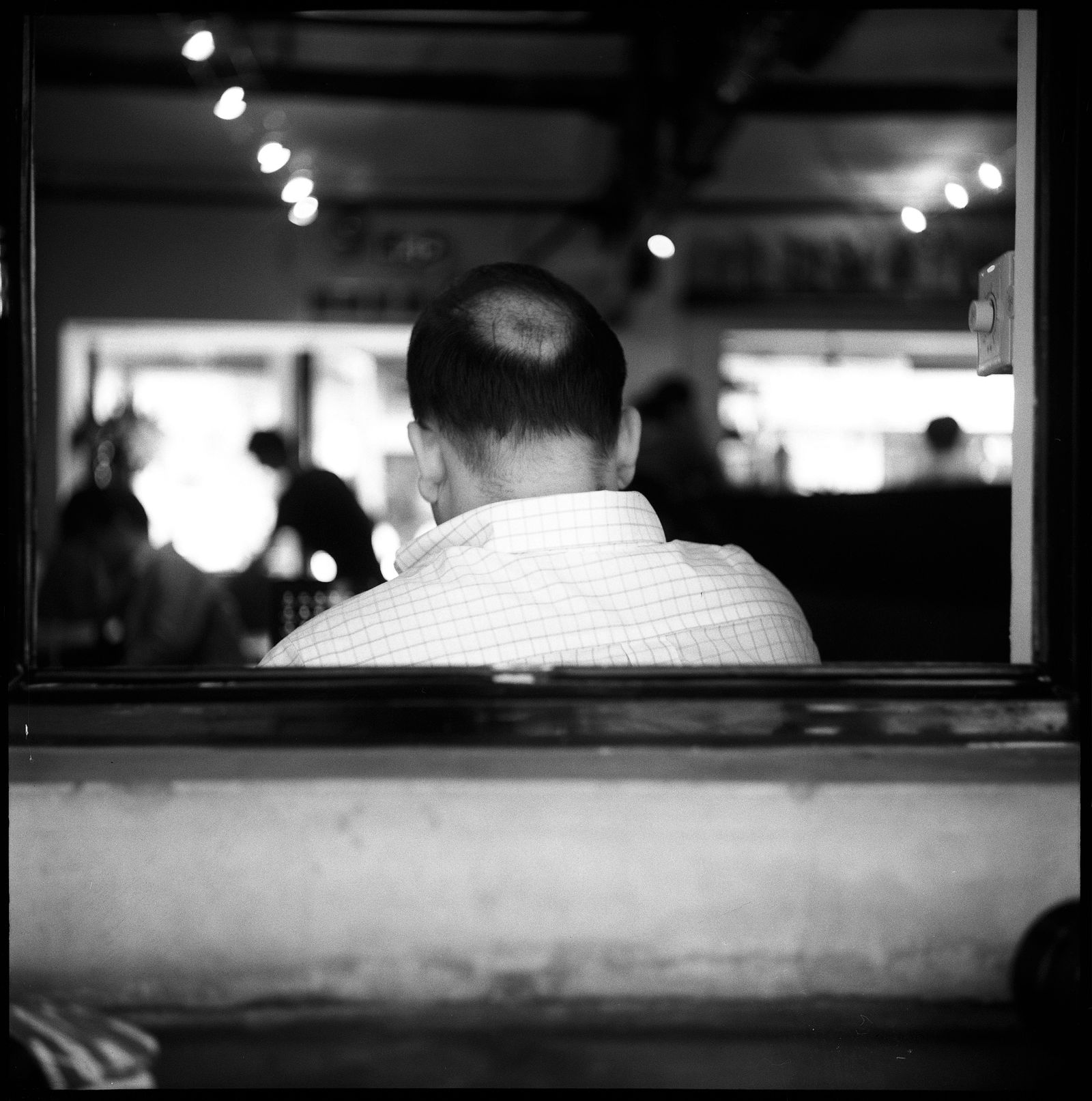
Androgenetic alopecia is the medical name for male and female pattern hair loss. Genetic and hormonal factors make certain follicles more sensitive over time. Those follicles begin to produce hairs that are finer, shorter and lighter, a process known as miniaturisation.
In men it often starts at the temples or crown. In women it is more likely to appear as diffuse thinning over the top of the scalp. The age at which it begins and the speed at which it changes vary from person to person.
Pattern hair loss is not caused by poor hygiene, wearing a hat or washing the hair too often. A family history can come from either side. Illness or another cause of shedding may make thinning more obvious, but inherited pattern loss has its own genetic and hormonal basis.
Treatment is individual. A clinician may discuss hair-loss medication where it is appropriate, although it does not work for everyone. A transplant may be considered when the loss is stable enough to plan around and the donor area can support the proposed number of grafts. Surgery moves existing follicles; it does not stop untreated hair from continuing to thin.
Alopecia areata
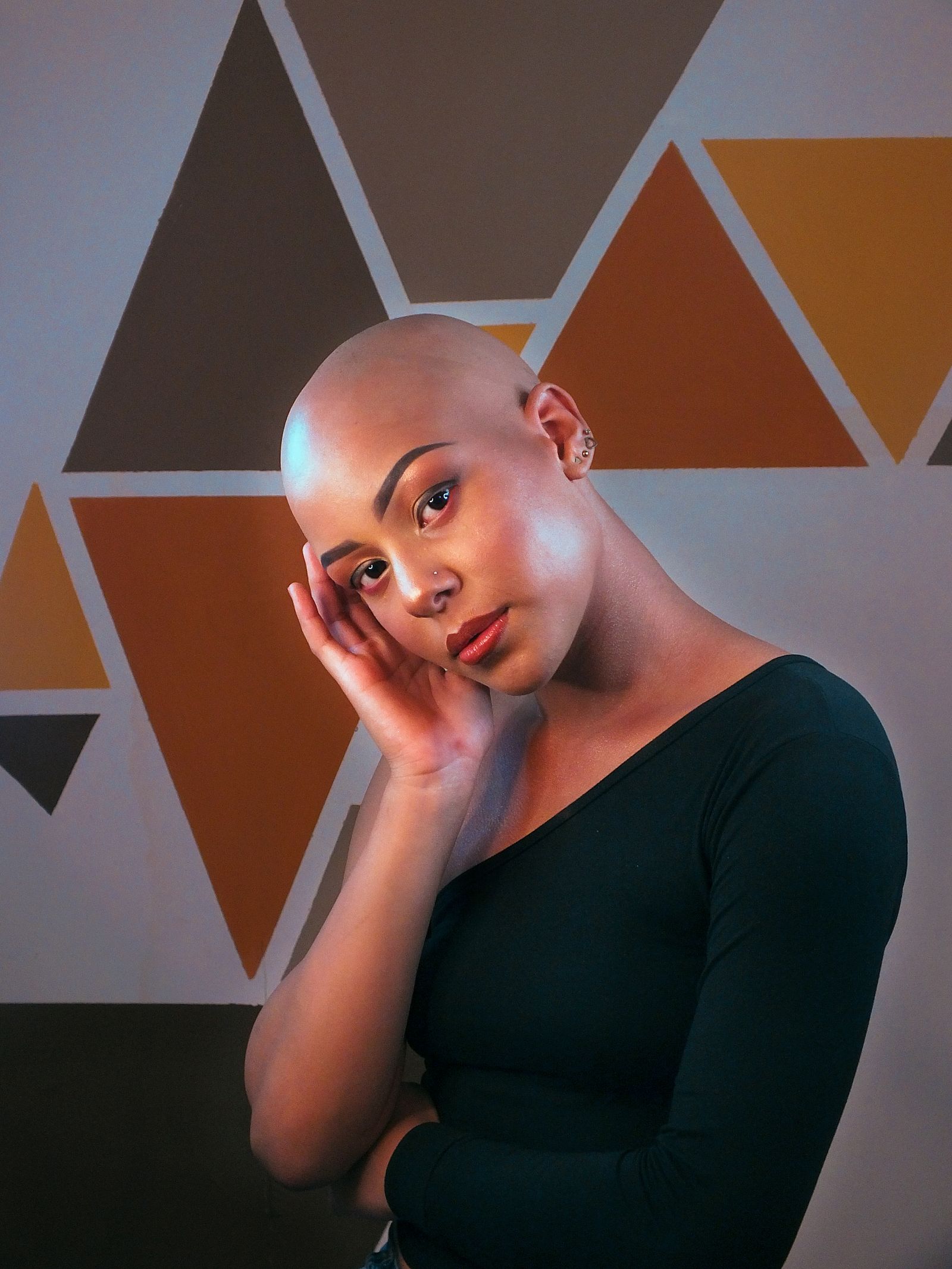
Alopecia areata is a non-scarring autoimmune condition. The immune system targets the hair follicles and interrupts normal growth. It often produces smooth, round or oval patches on the scalp, although the beard, eyebrows, eyelashes and body hair can also be affected.
It is not contagious and it is not caused by anything the patient has done. Some people develop one small patch, while others experience more extensive loss. The condition can start at any age.
Because the follicle is not permanently destroyed, hair can regrow. The timing is difficult to predict, and new patches can appear after earlier areas have recovered. New hair may initially look fine or pale before returning closer to its previous colour and texture.
A GP or dermatologist can often recognise the condition from its appearance, though tests may be needed when the diagnosis is unclear. Treatment depends on age, extent and duration. Dermatology options can include corticosteroids, contact immunotherapy or specialist medicines, but no treatment guarantees lasting regrowth. The British Association of Dermatologists provides further patient guidance.
Alopecia barbae
Alopecia barbae is alopecia areata affecting the beard or moustache. It usually appears as one or more smooth patches where the hair has fallen out, while the skin itself may look normal.
Beard hair can return, but the course remains unpredictable. A patch may fill in and later recur, or another patch may appear elsewhere. Sudden beard loss should be assessed rather than diagnosed from photographs alone, since a clinician may need to rule out infection and other causes.
Hair transplantation is not normally used for active alopecia areata or alopecia barbae. The same immune process can affect transplanted follicles, so diagnosis and disease activity come before any discussion of surgery.
Alopecia totalis
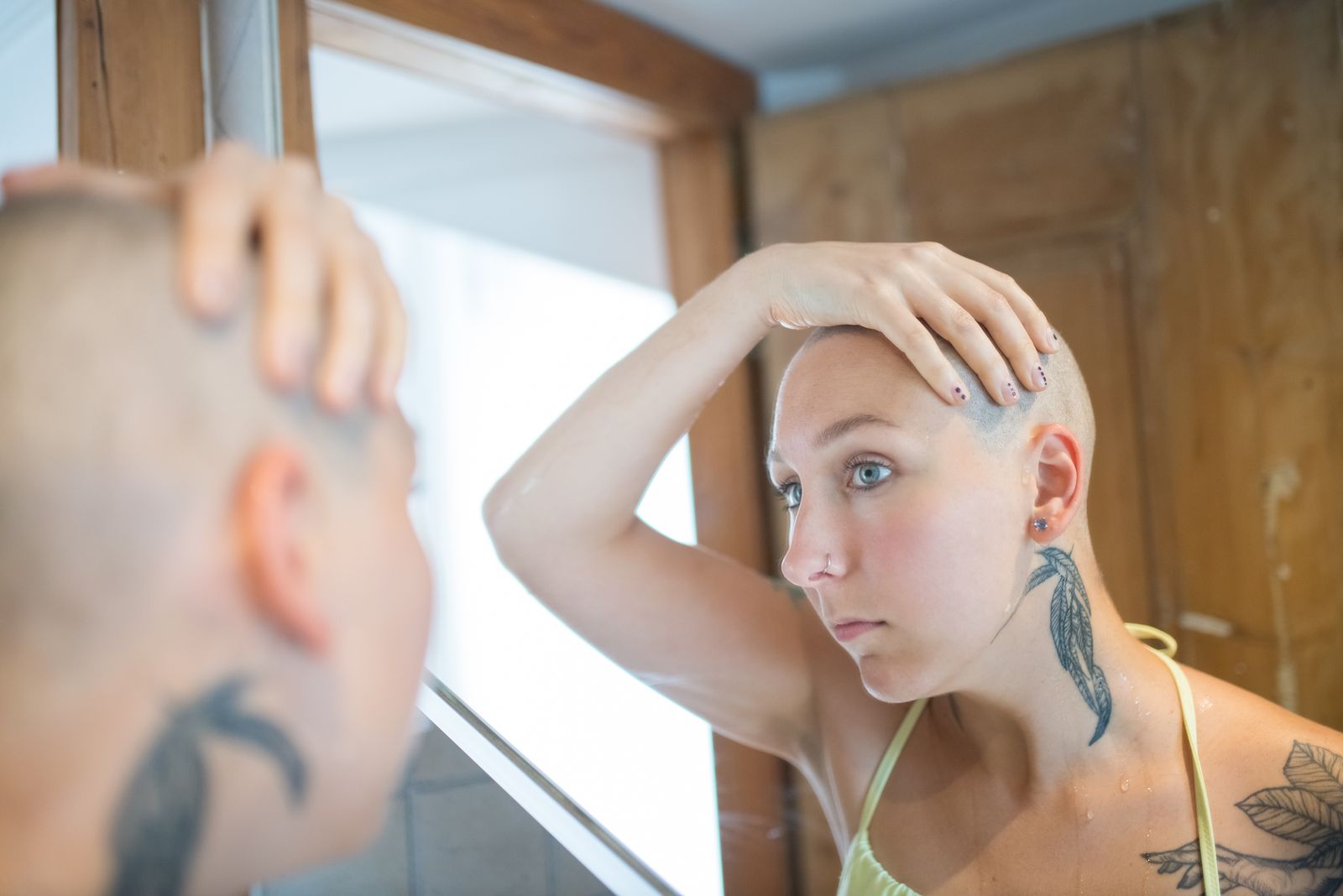
Alopecia totalis describes complete or near-complete loss of scalp hair caused by alopecia areata. It can develop as smaller patches join together, although the change may sometimes happen more quickly. Eyebrows, eyelashes and body hair may remain.
The name does not automatically mean the loss is permanent. Regrowth is possible, but it is less predictable than with a small number of isolated patches, and another episode can occur after the hair returns.
Alopecia universalis
Alopecia universalis is the most extensive form of alopecia areata. It affects scalp, facial and body hair, which may include the eyebrows, eyelashes and beard. Some people also notice changes to their nails.
Care is normally led by a dermatologist because the loss is widespread and the condition can have a significant effect on daily life. Treatment decisions take account of age, medical history, how long the condition has been present and how much hair is affected. Regrowth can happen, but a personal outcome cannot be predicted from photographs or from the name of the condition alone.
Neonatal occipital hair loss
A temporary bald area at the back of a baby's head is sometimes called neonatal occipital alopecia. It can become noticeable during the first few months of life as newborn hair moves through its natural growth and shedding cycle. Rubbing against a mattress or car seat may make the area easier to see, but friction is not necessarily the only cause.
In most cases the follicles have not been damaged and the hair grows again as the cycle settles. This is different from adult pattern or autoimmune hair loss. A GP or health visitor should check the scalp if the skin is sore, red or scaly, if the area is spreading, or if there are other concerns about the child's health.
Cicatricial or scarring alopecia
Cicatricial alopecia is a group of conditions in which inflammation damages hair follicles and replaces them with scar tissue. Once a follicle has been destroyed it cannot produce another hair, so loss in that part of the scalp is permanent.
The group includes lichen planopilaris, frontal fibrosing alopecia and central centrifugal cicatricial alopecia. Scarring can also follow a serious infection, burn or another injury to the skin.
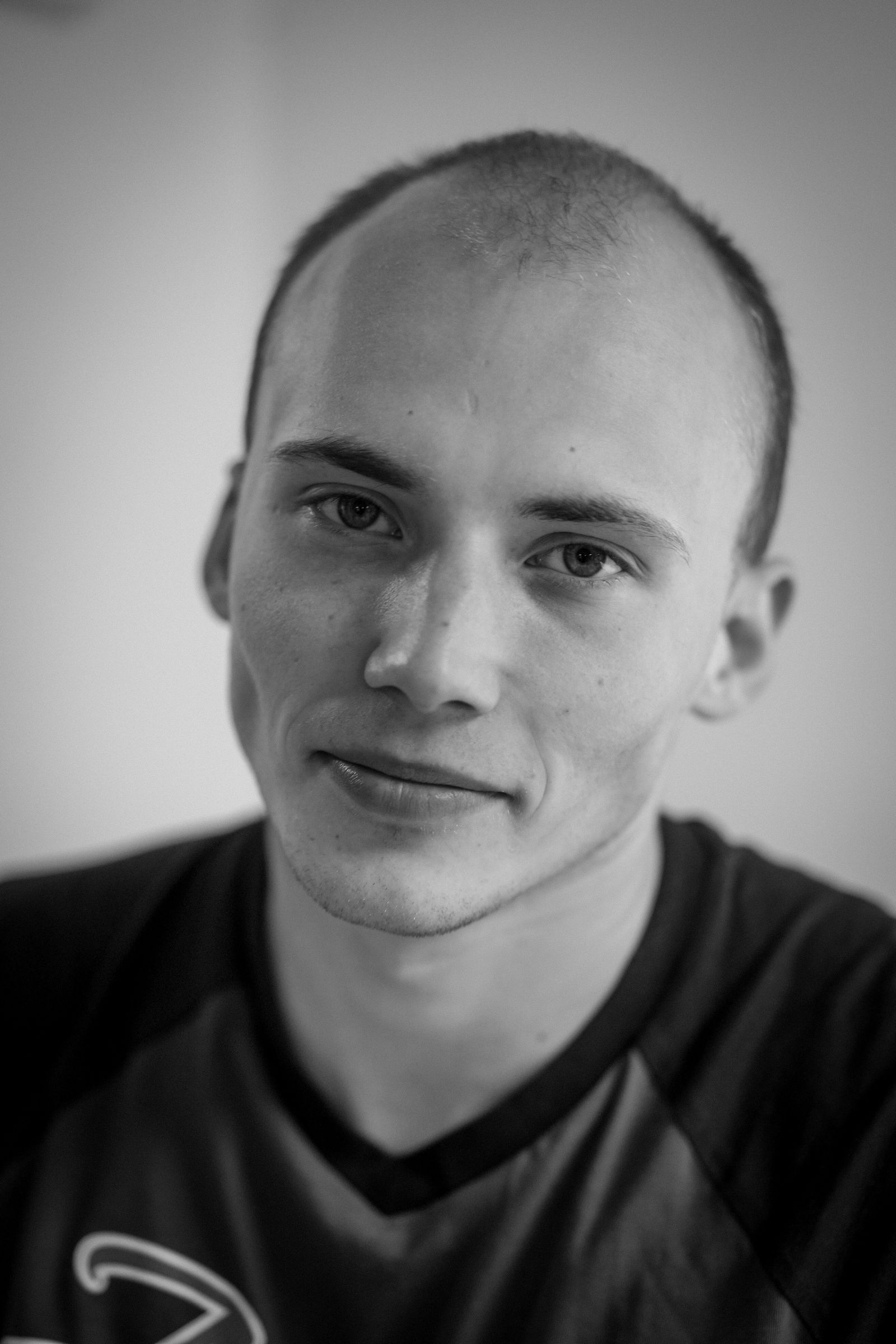
The appearance depends on the cause. Some people notice itching, soreness, burning, scaling or small spots around the follicles. In other cases the first obvious sign is a smooth or shiny area where the hair has disappeared. Early diagnosis matters because treatment is aimed at settling the inflammation and protecting follicles that remain.
A dermatologist may examine the scalp with magnification and sometimes take a small biopsy. Hair transplantation is not considered while a scarring condition is active. It may be discussed in selected cases after the disease has remained quiet, but survival of the grafts can be less predictable than it is in ordinary pattern hair loss.
Hair loss at the back and sides
Some people develop thinning around the nape of the neck or above the ears, sometimes described as retrograde alopecia. This matters in transplant planning because hair from the back and sides is normally used as the donor supply.
Follicles within an unstable or miniaturising area may not provide reliable long-term grafts. A donor assessment therefore needs to consider density, hair calibre, miniaturisation and the exact position of the thinning. Where the sides or nape are affected, the safe donor area may be smaller than it first appears.
Will hair grow back after alopecia?
It depends on the cause and on whether the follicles remain intact. Hair can return after a limited episode of alopecia areata, although the timing is uncertain and another patch may follow. Regrowth is less predictable when the condition has progressed to totalis or universalis.
Temporary neonatal occipital loss normally grows back because the follicles have not been destroyed. Scarring alopecia is different: once scar tissue has replaced a follicle, hair cannot grow from that site. Androgenetic hair loss also tends to progress rather than recover by itself.
For that reason, the word alopecia on its own is not enough to choose a treatment. Sudden patches, fast shedding, scalp pain, inflammation or scaling should be assessed medically before surgery is considered.
What treatment options are available?
Alopecia is a general term, so there is no single treatment for it. The right approach depends on the diagnosis, whether the follicles are still present and whether the condition is active.
A medicine used for inherited pattern loss will not necessarily help alopecia areata or scarring alopecia. Sudden shedding, round patches, eyebrow or body-hair loss, inflammation, pain or shiny scarred skin should be assessed by a GP or dermatologist first.
Medical treatment
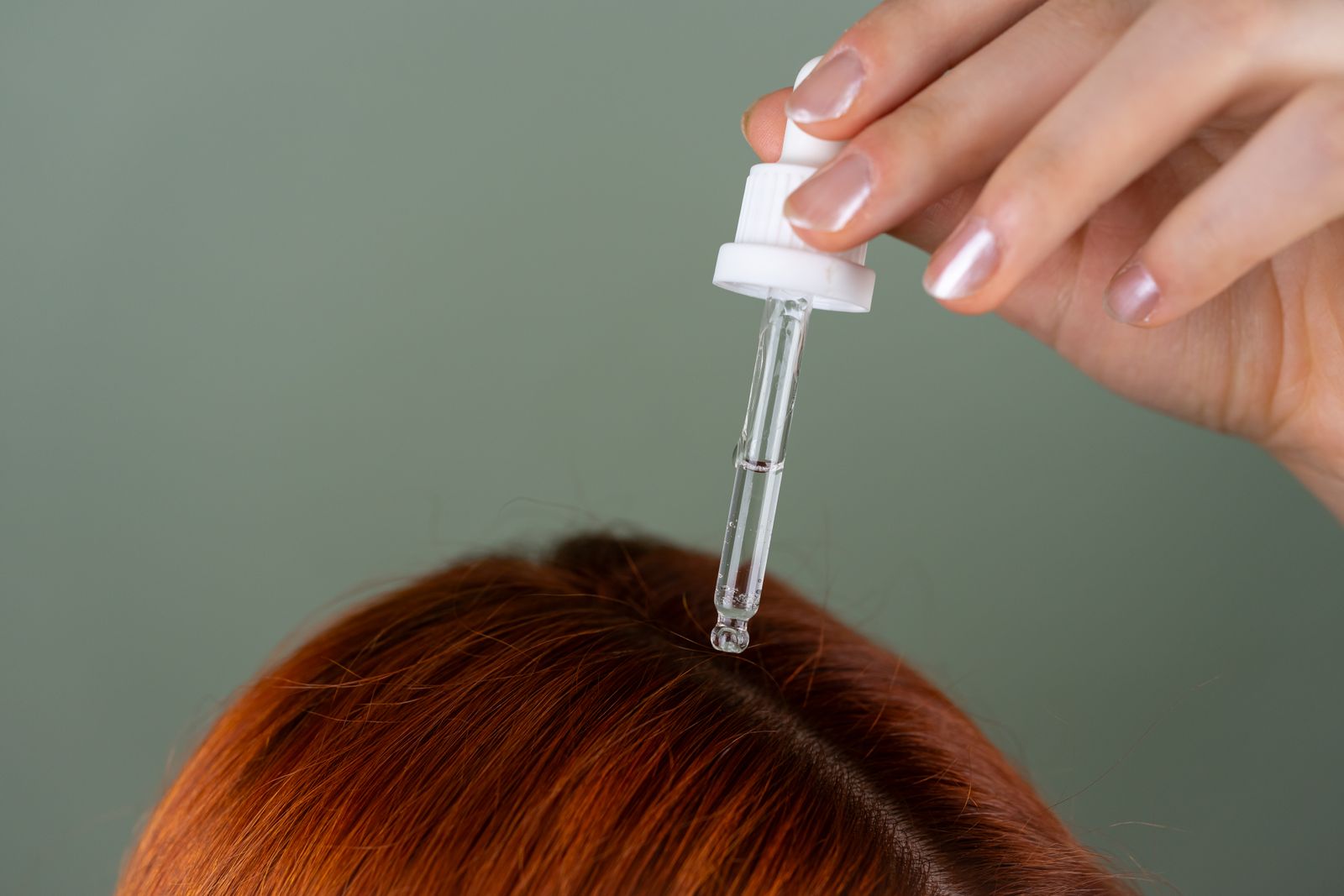
Minoxidil may be discussed for male or female pattern hair loss. Finasteride is used for male pattern baldness but is generally not recommended for women. These medicines are not suitable for everyone, do not guarantee a result and usually need continued use to maintain any benefit. A qualified prescriber should explain the possible side effects and whether treatment is appropriate.
Alopecia areata is treated differently. Depending on the extent, a dermatologist may discuss corticosteroid creams, scalp applications or injections, contact immunotherapy, or other specialist treatment. Scarring alopecia also needs specialist care, with treatment aimed at controlling inflammation and protecting follicles that have not yet been destroyed.
Can alopecia be treated with a hair transplant?
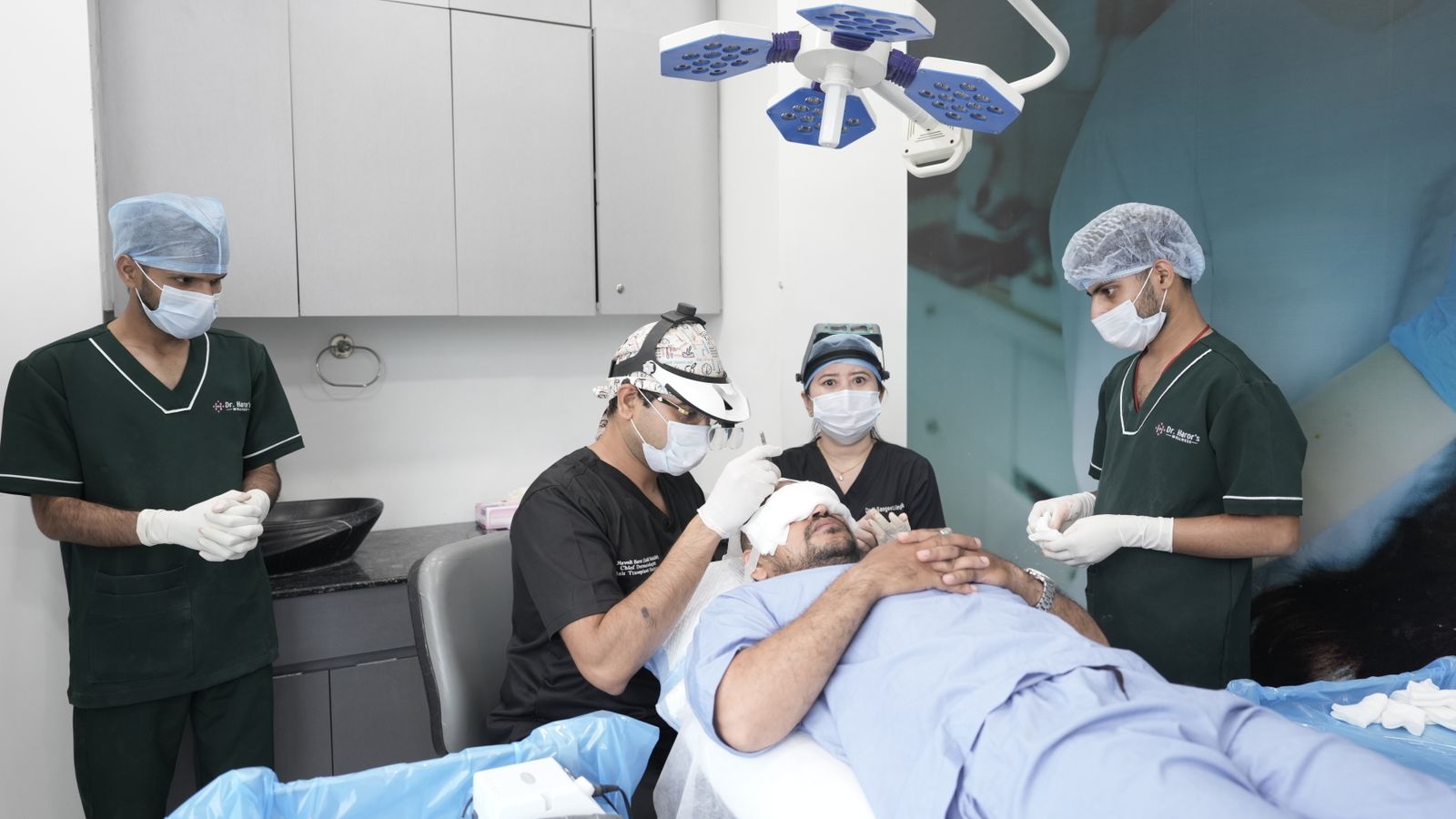
A hair transplant is mainly considered for stable, permanent pattern hair loss where there is a healthy donor area at the back and sides of the scalp. It redistributes existing follicles; it does not cure the condition or stop non-transplanted hair from thinning.
The NHS notes that transplantation is not usually suitable for alopecia areata. Active scarring alopecia is another reason to delay surgery. In selected cases, surgery may be discussed only after a specialist has confirmed that the condition has remained inactive and the risks have been explained.
Assessment therefore comes before graft numbers. The clinician needs to examine the pattern and speed of loss, the scalp, previous treatment and the quality of the donor hair. Sometimes the sensible outcome is monitoring or a dermatology referral rather than surgery.
FUE hair transplantation
With FUE, follicular units are removed individually through small circular extraction sites and then placed into the areas being restored. It avoids the long linear donor scar associated with strip surgery, although it still leaves many small extraction marks. The number of grafts that can be taken safely depends on donor density, hair characteristics and future needs.
FUT hair transplantation
FUT involves removing a narrow strip of donor scalp. The strip is divided into follicular-unit grafts under magnification before the wound is closed. It leaves a linear scar, and suitability depends on previous surgery, hairstyle, scalp laxity, graft requirements and patient preference.
DHI placement
DHI usually describes placing grafts with an implanter device. The follicles still need to be extracted first, often using FUE. It is not a separate treatment for autoimmune or scarring alopecia, and the name of the placement method does not decide whether surgery is suitable.
PRP treatment
PRP uses a concentrated part of the patient's own blood, which is injected into the scalp. It is available privately, but evidence does not establish a predictable response for every type of hair loss. It should not be presented as a cure for alopecia or used to delay medical assessment of sudden, patchy, painful or inflamed hair loss.
About the author
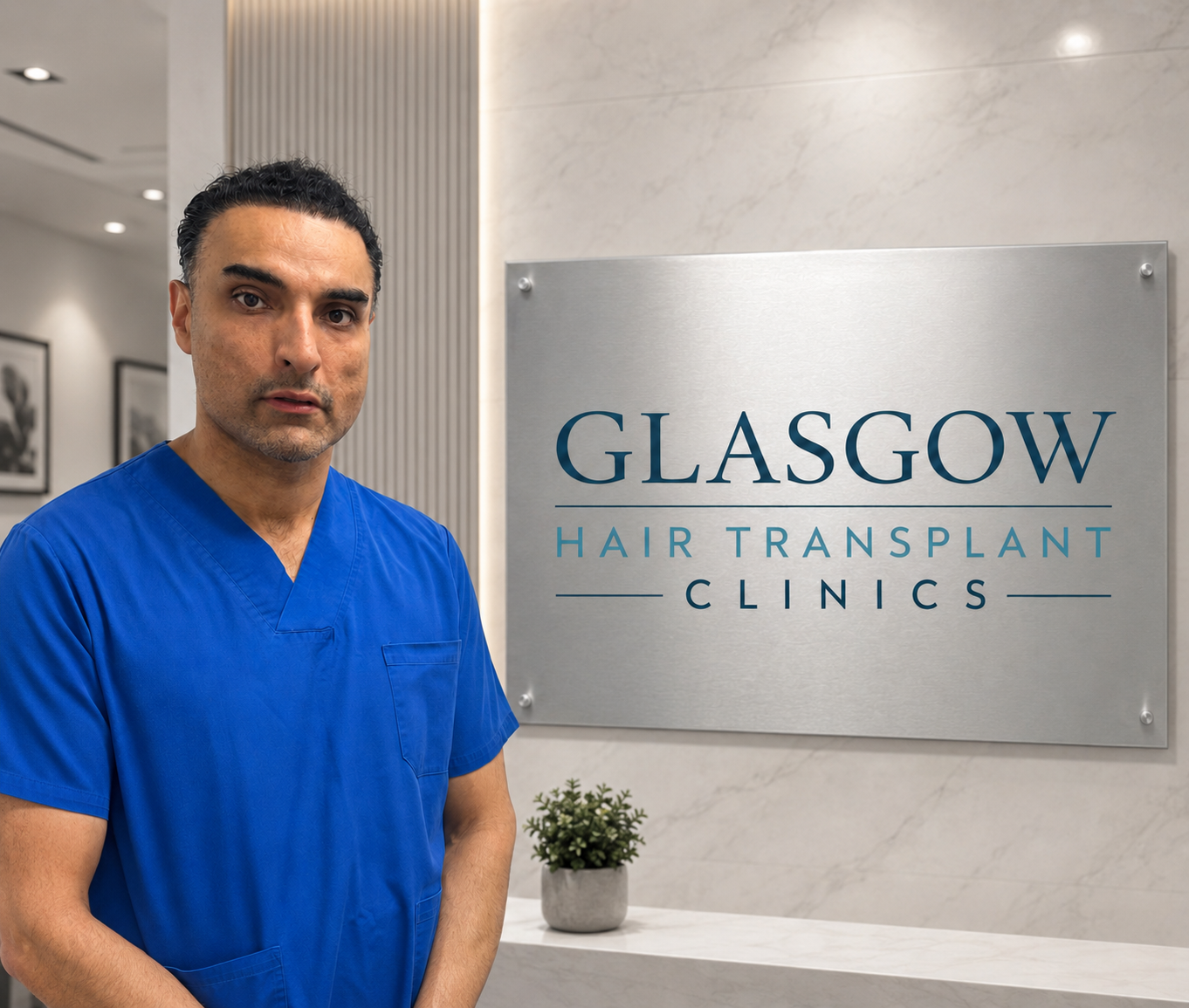
Dr Harpreet Kalra
Dr Harpreet Kalra assesses hair-loss patterns, donor-area quality and long-term treatment planning for patients seen through Glasgow Hair Transplant Clinics.
Related hair-loss guides


For independent support, visit Alopecia UK.
Your Questions Answered
Hair loss can be difficult to judge from photographs alone. If you are unsure what is causing the change or whether treatment is suitable, speak with our Glasgow team.
Call 0141 363 0019 or complete our free consultation form and we will get back to you.
Book a Free Consultation