
Stress-related hair loss: your 2026 management guide
Telogen effluvium is the most common form of stress-related hair loss, and the good news is that most cases resolve on their own. The condition occurs when physical or psychological stress pushes a large proportion of hair follicles prematurely into the shedding phase. According to the British Association of Dermatologists, normal daily shedding ranges from 30 to 150 hairs, but in telogen effluvium 30% or more of scalp hair enters the shedding phase simultaneously, compared to just 10% under normal conditions. Managing this condition well comes down to a few clear priorities:


Stress-related hair loss: your 2026 management guide

Telogen effluvium is the most common form of stress-related hair loss, and the good news is that most cases resolve on their own. The condition occurs when physical or psychological stress pushes a large proportion of hair follicles prematurely into the shedding phase. According to the British Association of Dermatologists, normal daily shedding ranges from 30 to 150 hairs, but in telogen effluvium 30% or more of scalp hair enters the shedding phase simultaneously, compared to just 10% under normal conditions. Managing this condition well comes down to a few clear priorities:
- Address the underlying trigger first, whether that is stress, nutritional deficiency, illness, or a medication change.
- Support recovery through diet , focusing on protein, iron, and fresh vegetables.
- Practise consistent stress management , including mindfulness or talking therapies.
- Avoid hair-damaging habits such as tight hairstyles, harsh chemicals, and excessive heat styling.
- Seek GP advice if shedding persists beyond six months or causes significant distress.
Patience is central to recovery. The dormant phase of the hair cycle lasts approximately 100 days, and medication does not speed up this natural process.
What causes stress-related hair loss and how do you recognise it?
Telogen effluvium develops when a triggering event disrupts the normal hair growth cycle, forcing follicles out of the active growing phase (anagen) and into the resting phase (telogen) prematurely. Shedding typically becomes noticeable some months after the trigger, which often makes it difficult to connect the hair loss to its original cause.
Common triggers include:
- Severe emotional stress or bereavement
- Childbirth and postpartum hormonal changes
- Acute illness, particularly with high fever
- Marked weight loss or extreme dieting
- Starting new medications or stopping hormone treatments
- Surgical procedures
- Nutritional deficiencies, particularly iron deficiency
Notably, around one in three people diagnosed with telogen effluvium have no identifiable cause, which underlines how complex the condition can be.
Symptoms are usually diffuse rather than patchy. Most people notice more hair in the shower drain, on their hairbrush, or on the pillow. Hair thinning tends to affect the whole scalp rather than producing bald spots. Occasionally, people experience trichodynia, a tenderness or altered sensation of the scalp, though this is less common.
Acute versus chronic telogen effluvium is an important distinction. The acute form typically resolves within three to six months once the trigger is removed. When shedding persists beyond six months, the condition is classified as chronic telogen effluvium, which warrants further medical evaluation to identify ongoing nutritional or hormonal factors.
Lifestyle and dietary strategies to support recovery
Diet and stress management are the most effective non-medical tools available for supporting hair regrowth. The British Association of Dermatologists recommends eating a balanced diet rich in iron, protein, fresh fruit, and vegetables to support the hair cycle during recovery.
Practical dietary steps include:
- Prioritising protein sources such as eggs, lean meat, legumes, and dairy
- Eating iron-rich foods including red meat, spinach, lentils, and fortified cereals
- Including zinc-rich foods such as pumpkin seeds, chickpeas, and wholegrains
- Considering supplements if following a vegan or vegetarian diet, as plant-based diets can fall short on iron, vitamin B12, and vitamin D
For nutrition and lifestyle guidance that goes deeper into the evidence behind specific nutrients, it is worth reviewing dedicated resources from hair health specialists.
Pro Tip: Addressing mental health is not just supportive, it is often the single most important step. Chronic psychological stress can perpetuate the hair cycle disruption that drives telogen effluvium, so consistent stress management reduces the risk of recurrence as much as any dietary change.

Gentle grooming habits also matter. The British Association of Dermatologists advises avoiding harsh brushing, limiting heated styling tools such as hairdryers and straighteners, and steering clear of bleaching or chemical relaxing treatments. Tight hairstyles that place mechanical tension on follicles should also be limited. Improving scalp health for regrowth through gentle care routines can complement these dietary efforts meaningfully.
When should you see a GP about hair loss?
The NHS advises seeing a GP if hair loss is causing you distress, is rapid or extensive, or has not improved after several months. A GP visit is also warranted if you notice patchy loss, scalp changes, or symptoms that suggest an underlying medical condition.
A typical diagnostic pathway in UK primary care includes:
- Medical history review : the GP will ask about recent illnesses, stressors, medications, diet, and the timeline of hair loss.
- Physical examination : the scalp is assessed for pattern, distribution, and any signs of inflammation or scarring.
- Hair pull test : a gentle tug on a small bundle of hairs can indicate whether active shedding is occurring, though this test may read as falsely negative if hair has been washed within 48 hours.
- Blood tests : a full blood count, serum ferritin, and thyroid-stimulating hormone (TSH) test are standard first-line investigations to rule out iron deficiency and thyroid disorders.
- Skin biopsy : required only in rare cases where the diagnosis remains uncertain.
Preparing well for your appointment makes a real difference. A hair loss consultation guide can help you organise your medical history and questions before you go.
Regarding medical treatments, no medication is currently licensed specifically for telogen effluvium in the UK. Topical minoxidil is licensed for androgenetic alopecia and is sometimes considered off-label for telogen effluvium, but evidence for this specific use is limited and it should only be used following clinical discussion. Corticosteroid injections or topical steroids are used primarily for alopecia areata rather than telogen effluvium. For a broader overview of hair loss treatment options available in the UK, it is worth reviewing what is currently available before making any decisions.
The emotional impact of hair loss is real and should not be minimised. The NHS recognises that hair loss can affect wellbeing significantly, and GPs can refer patients to counselling services or local support groups. Alopecia UK is one organisation that offers support to people affected by all forms of hair loss.
How long does recovery from stress-related hair loss take?
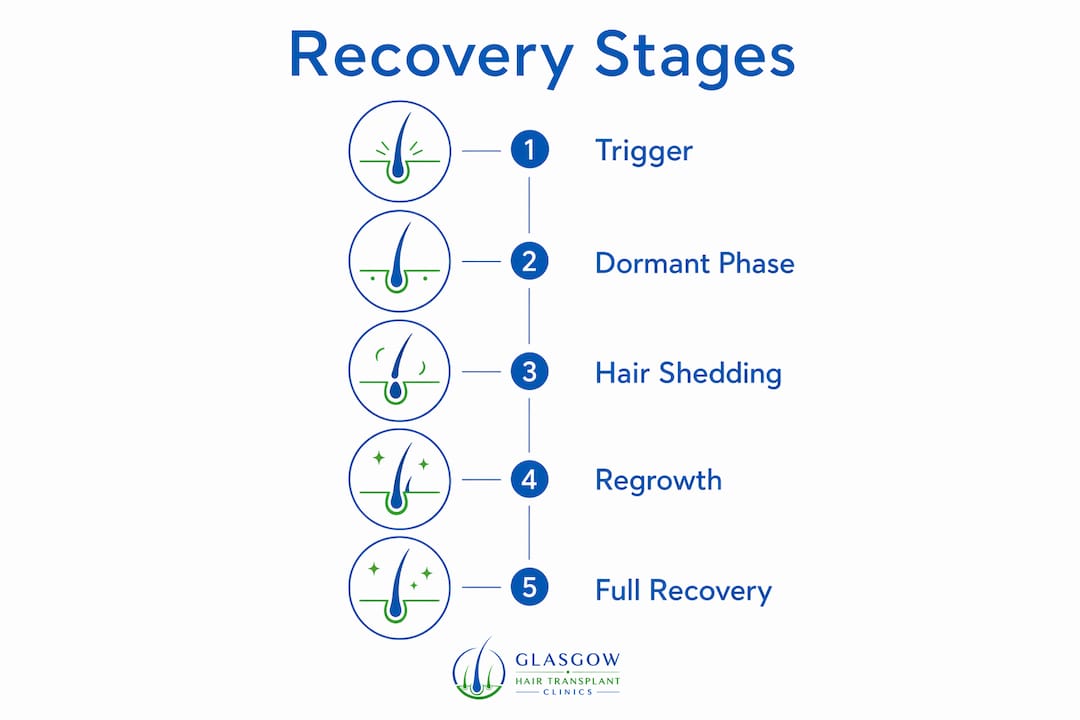
Recovery follows a predictable biological sequence, though the timeline varies between individuals. Understanding it helps set realistic expectations and reduces anxiety during what can feel like a slow process.
| Phase | Typical Duration | What Happens |
|---|---|---|
| Trigger event | Variable | Stress, illness, or nutritional deficit disrupts the hair cycle |
| Shedding onset | 2–3 months after trigger | Increased hair fall becomes noticeable |
| Active shedding phase | 3 to 6 months | Peak hair loss; up to 30% or more of scalp hair in telogen phase |
| Regrowth begins | After dormant phase (~100 days) | New hairs enter anagen and begin growing |
| Volume restoration | Months to years | Depends on hair length and severity of shedding |
Key points to keep in mind during recovery:
- Medication does not hasten the dormant phase; the hair cycle must complete naturally.
- Hair volume may take months to years to return to normal, particularly for those with longer hair.
- Recurrence is possible if the underlying cause is not fully resolved.
- Chronic telogen effluvium, lasting beyond six months, generally does not progress to complete baldness, though persistent shedding can reduce overall volume.
For those concerned about preventing further thinning during the recovery period, consistent self-care and monitoring remain the most practical tools available. Practical tips for managing stress-related shedding can also support the recovery process alongside clinical guidance.
Professional hair restoration with Glasgowhairtransplantclinics
For most people, telogen effluvium resolves with time and the right self-care. But when hair loss is persistent, severe, or has progressed beyond what natural recovery can address, professional restoration becomes a genuinely worthwhile consideration.

Glasgowhairtransplantclinics offers a range of clinically delivered options across the UK, including hair, beard, and eyebrow transplants, PRP (Platelet Rich Plasma) Therapy, and SMP (Scalp Micro Pigmentation) therapy. All clinics are CQC and HIS registered, and surgeons hold GMC registration, giving patients confidence in both the clinical standards and the people delivering care. Procedures are available at affordable prices across Glasgow, Newcastle, and other UK locations. A free consultation, available online or in person, is the natural first step for anyone considering whether hairline restoration or another treatment is right for them. To understand the full scope of treatment costs and what each procedure involves, the team is available to guide you through every option without pressure.
Key takeaways
Stress-related hair loss is a temporary, manageable condition in most cases, and recovery depends on removing the trigger, supporting the body through diet and stress management, and seeking medical advice when shedding persists beyond six months.
| Point | Details |
|---|---|
| Normal shedding vs telogen effluvium | Normal daily shedding is 30–150 hairs; telogen effluvium pushes 30% or more of scalp hair into the shedding phase. |
| Medication does not speed recovery | The dormant hair phase lasts approximately 100 days; no medicine licensed in the UK hastens this process. |
| Chronic form needs investigation | Shedding lasting beyond six months is classified as chronic telogen effluvium and warrants further medical evaluation. |
| Diet and stress management are key | A diet rich in protein, iron, and fresh vegetables, combined with consistent stress reduction, supports natural regrowth. |
| Glasgowhairtransplantclinics | Offers CQC and HIS registered clinics with GMC-registered surgeons, free consultations, and a full range of restoration options across the UK. |
Recommended
Certifications




- Address the underlying trigger first, whether that is stress, nutritional deficiency, illness, or a medication change.
- Support recovery through diet , focusing on protein, iron, and fresh vegetables.
- Practise consistent stress management , including mindfulness or talking therapies.
- Avoid hair-damaging habits such as tight hairstyles, harsh chemicals, and excessive heat styling.
- Seek GP advice if shedding persists beyond six months or causes significant distress.
Patience is central to recovery. The dormant phase of the hair cycle lasts approximately 100 days, and medication does not speed up this natural process.
What causes stress-related hair loss and how do you recognise it?
Telogen effluvium develops when a triggering event disrupts the normal hair growth cycle, forcing follicles out of the active growing phase (anagen) and into the resting phase (telogen) prematurely. Shedding typically becomes noticeable some months after the trigger, which often makes it difficult to connect the hair loss to its original cause.
Common triggers include:
- Severe emotional stress or bereavement
- Childbirth and postpartum hormonal changes
- Acute illness, particularly with high fever
- Marked weight loss or extreme dieting
- Starting new medications or stopping hormone treatments
- Surgical procedures
- Nutritional deficiencies, particularly iron deficiency
Notably, around one in three people diagnosed with telogen effluvium have no identifiable cause, which underlines how complex the condition can be.
Symptoms are usually diffuse rather than patchy. Most people notice more hair in the shower drain, on their hairbrush, or on the pillow. Hair thinning tends to affect the whole scalp rather than producing bald spots. Occasionally, people experience trichodynia, a tenderness or altered sensation of the scalp, though this is less common.
Acute versus chronic telogen effluvium is an important distinction. The acute form typically resolves within three to six months once the trigger is removed. When shedding persists beyond six months, the condition is classified as chronic telogen effluvium, which warrants further medical evaluation to identify ongoing nutritional or hormonal factors.
Lifestyle and dietary strategies to support recovery
Diet and stress management are the most effective non-medical tools available for supporting hair regrowth. The British Association of Dermatologists recommends eating a balanced diet rich in iron, protein, fresh fruit, and vegetables to support the hair cycle during recovery.
Practical dietary steps include:
- Prioritising protein sources such as eggs, lean meat, legumes, and dairy
- Eating iron-rich foods including red meat, spinach, lentils, and fortified cereals
- Including zinc-rich foods such as pumpkin seeds, chickpeas, and wholegrains
- Considering supplements if following a vegan or vegetarian diet, as plant-based diets can fall short on iron, vitamin B12, and vitamin D
For nutrition and lifestyle guidance that goes deeper into the evidence behind specific nutrients, it is worth reviewing dedicated resources from hair health specialists.
Pro Tip: Addressing mental health is not just supportive, it is often the single most important step. Chronic psychological stress can perpetuate the hair cycle disruption that drives telogen effluvium, so consistent stress management reduces the risk of recurrence as much as any dietary change.
Gentle grooming habits also matter. The British Association of Dermatologists advises avoiding harsh brushing, limiting heated styling tools such as hairdryers and straighteners, and steering clear of bleaching or chemical relaxing treatments. Tight hairstyles that place mechanical tension on follicles should also be limited. Improving scalp health for regrowth through gentle care routines can complement these dietary efforts meaningfully.
When should you see a GP about hair loss?
The NHS advises seeing a GP if hair loss is causing you distress, is rapid or extensive, or has not improved after several months. A GP visit is also warranted if you notice patchy loss, scalp changes, or symptoms that suggest an underlying medical condition.
A typical diagnostic pathway in UK primary care includes:
- Medical history review : the GP will ask about recent illnesses, stressors, medications, diet, and the timeline of hair loss.
- Physical examination : the scalp is assessed for pattern, distribution, and any signs of inflammation or scarring.
- Hair pull test : a gentle tug on a small bundle of hairs can indicate whether active shedding is occurring, though this test may read as falsely negative if hair has been washed within 48 hours.
- Blood tests : a full blood count, serum ferritin, and thyroid-stimulating hormone (TSH) test are standard first-line investigations to rule out iron deficiency and thyroid disorders.
- Skin biopsy : required only in rare cases where the diagnosis remains uncertain.
Preparing well for your appointment makes a real difference. A hair loss consultation guide can help you organise your medical history and questions before you go.
Regarding medical treatments, no medication is currently licensed specifically for telogen effluvium in the UK. Topical minoxidil is licensed for androgenetic alopecia and is sometimes considered off-label for telogen effluvium, but evidence for this specific use is limited and it should only be used following clinical discussion. Corticosteroid injections or topical steroids are used primarily for alopecia areata rather than telogen effluvium. For a broader overview of hair loss treatment options available in the UK, it is worth reviewing what is currently available before making any decisions.
The emotional impact of hair loss is real and should not be minimised. The NHS recognises that hair loss can affect wellbeing significantly, and GPs can refer patients to counselling services or local support groups. Alopecia UK is one organisation that offers support to people affected by all forms of hair loss.
How long does recovery from stress-related hair loss take?
Recovery follows a predictable biological sequence, though the timeline varies between individuals. Understanding it helps set realistic expectations and reduces anxiety during what can feel like a slow process.
| Phase | Typical Duration | What Happens |
|---|---|---|
| Trigger event | Variable | Stress, illness, or nutritional deficit disrupts the hair cycle |
| Shedding onset | 2–3 months after trigger | Increased hair fall becomes noticeable |
| Active shedding phase | 3 to 6 months | Peak hair loss; up to 30% or more of scalp hair in telogen phase |
| Regrowth begins | After dormant phase (~100 days) | New hairs enter anagen and begin growing |
| Volume restoration | Months to years | Depends on hair length and severity of shedding |
Key points to keep in mind during recovery:
- Medication does not hasten the dormant phase; the hair cycle must complete naturally.
- Hair volume may take months to years to return to normal, particularly for those with longer hair.
- Recurrence is possible if the underlying cause is not fully resolved.
- Chronic telogen effluvium, lasting beyond six months, generally does not progress to complete baldness, though persistent shedding can reduce overall volume.
For those concerned about preventing further thinning during the recovery period, consistent self-care and monitoring remain the most practical tools available. Practical tips for managing stress-related shedding can also support the recovery process alongside clinical guidance.
Professional hair restoration with Glasgowhairtransplantclinics
For most people, telogen effluvium resolves with time and the right self-care. But when hair loss is persistent, severe, or has progressed beyond what natural recovery can address, professional restoration becomes a genuinely worthwhile consideration.
Glasgowhairtransplantclinics offers a range of clinically delivered options across the UK, including hair, beard, and eyebrow transplants, PRP (Platelet Rich Plasma) Therapy, and SMP (Scalp Micro Pigmentation) therapy. All clinics are CQC and HIS registered, and surgeons hold GMC registration, giving patients confidence in both the clinical standards and the people delivering care. Procedures are available at affordable prices across Glasgow, Newcastle, and other UK locations. A free consultation, available online or in person, is the natural first step for anyone considering whether hairline restoration or another treatment is right for them. To understand the full scope of treatment costs and what each procedure involves, the team is available to guide you through every option without pressure.
Key takeaways
Stress-related hair loss is a temporary, manageable condition in most cases, and recovery depends on removing the trigger, supporting the body through diet and stress management, and seeking medical advice when shedding persists beyond six months.
| Point | Details |
|---|---|
| Normal shedding vs telogen effluvium | Normal daily shedding is 30–150 hairs; telogen effluvium pushes 30% or more of scalp hair into the shedding phase. |
| Medication does not speed recovery | The dormant hair phase lasts approximately 100 days; no medicine licensed in the UK hastens this process. |
| Chronic form needs investigation | Shedding lasting beyond six months is classified as chronic telogen effluvium and warrants further medical evaluation. |
| Diet and stress management are key | A diet rich in protein, iron, and fresh vegetables, combined with consistent stress reduction, supports natural regrowth. |
| Glasgowhairtransplantclinics | Offers CQC and HIS registered clinics with GMC-registered surgeons, free consultations, and a full range of restoration options across the UK. |
Questions and answers
Can shedding start after the stressful period has passed?
Yes. Telogen effluvium can become noticeable months after a trigger because affected hairs pass through the hair cycle before shedding. Mention illness, major dietary changes and other events as well as emotional stress.
Does feeling stressed prove why my hair is thinning?
No. Stress can coincide with other causes of hair loss. Persistent shedding, distinct patches or scalp symptoms need assessment rather than being attributed to stress alone.
Should I take hair supplements while I wait for recovery?
A supplement is not a general treatment for stress-related shedding. Discuss your diet and any suspected deficiency with a clinician rather than taking high doses without a clear reason.

About the author
Dr Harpreet Kalra is a GP and hair-transplant surgeon at Glasgow Hair Transplant Clinics. His consultations consider the diagnosis, donor area, existing hair and likely future pattern before treatment is discussed.
Get advice about stress-related hair loss
Our Glasgow team can assess the pattern, discuss possible triggers and explain appropriate treatment and monitoring.
Book a Free Consultation