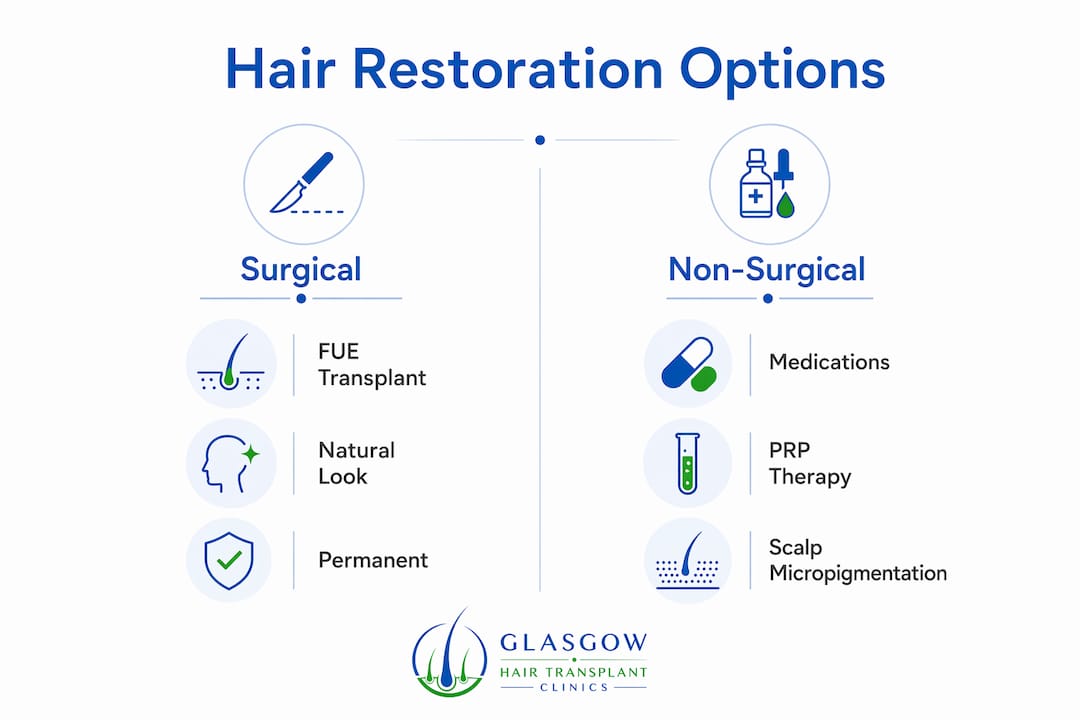




Here is a quick overview of the main alternatives:
- Finasteride and dutasteride — oral medications that block DHT and slow or stop androgenetic hair loss
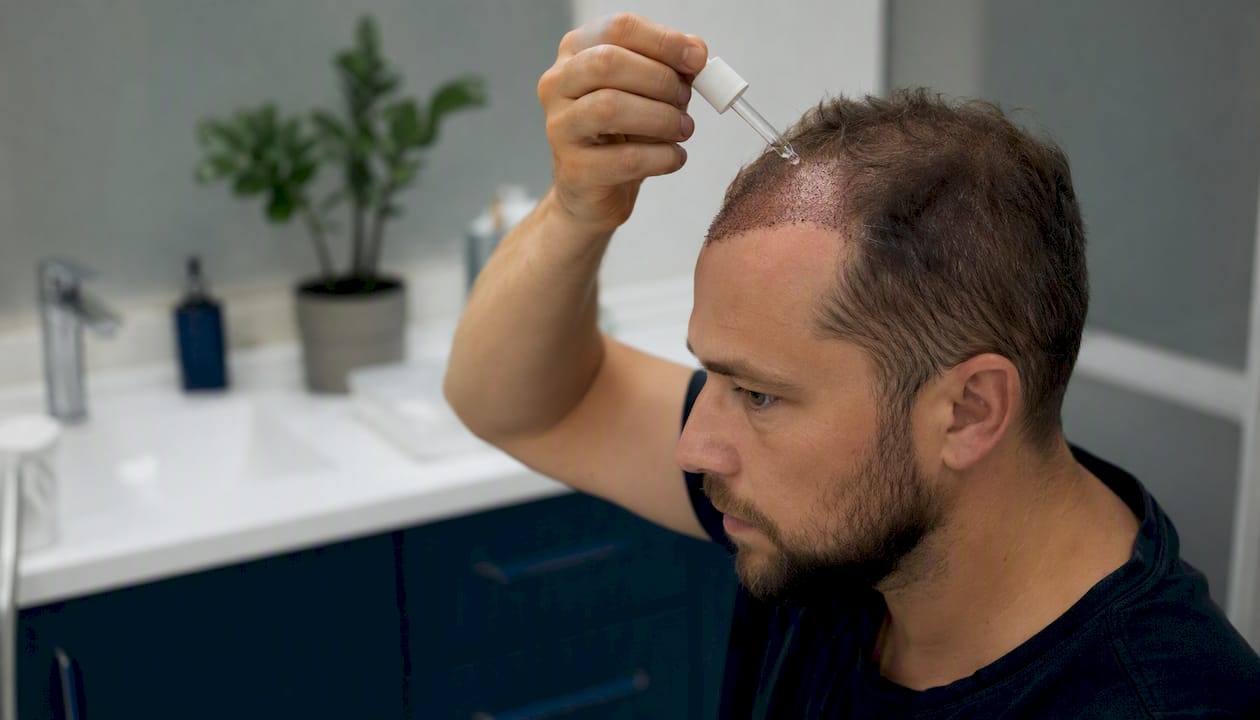
- Minoxidil — a topical solution that stimulates follicle activity and can encourage regrowth
- PRP therapy — injections of your own concentrated growth factors to revitalise thinning follicles
- Scalp micropigmentation (SMP) — a cosmetic pigment technique that replicates the look of a shaved head
- Low-level laser therapy (LLLT) — light-based devices used at home or in clinic to improve hair density
- Non-surgical hair systems — custom-fitted hairpieces offering immediate, full cosmetic coverage
- Nutraceuticals and topical supplements — vitamins, biotin, and caffeine-based products used as adjuncts
- Steroid injections and immune therapies — targeted treatments for autoimmune-related hair loss such as alopecia areata
- Emerging therapies — exosome and stem cell treatments currently under clinical investigation
1. Medications that block hair loss at the source
Finasteride and dutasteride are the two most clinically established oral medications for androgenetic alopecia. Both work by inhibiting the enzyme 5-alpha reductase, which converts testosterone into dihydrotestosterone (DHT). DHT is the hormone responsible for follicle miniaturisation in genetically susceptible individuals, so reducing it slows or halts the progression of pattern baldness. Dutasteride inhibits both type I and type II isoforms of the enzyme, making it more potent than finasteride, though it is not yet licensed for hair loss in the UK and is prescribed off-label.
Minoxidil works through a different mechanism entirely. Applied topically to the scalp twice daily, it prolongs the anagen (growth) phase of the hair cycle and increases blood flow to follicles. Minoxidil is licensed for male-pattern hair loss in men aged 18–65. One important practical point: many patients experience an initial shedding phase in the first few weeks of use, which can be mistaken for worsening loss and leads some to stop too early. Staying the course for at least three to six months is necessary to assess whether regrowth is occurring.
Combining finasteride and minoxidil is common practice. Finasteride addresses the hormonal cause while minoxidil stimulates the follicle directly, and the two together tend to produce better outcomes than either alone. Medication also plays a critical role after a hair transplant: protecting native hair surrounding the transplanted area prevents an unnatural contrast between dense transplanted zones and thinning untreated ones.
Pros and cons at a glance:
- Pro: Clinically proven to slow or stop hair loss in the majority of patients with androgenetic alopecia
- Pro: Relatively low cost, particularly minoxidil which is widely available over the counter
- Con: Results last only while you continue taking or applying the medication; stopping reverses gains
- Con: Finasteride carries a risk of sexual side effects in a minority of men
- Con: Neither medication restores hair in areas of complete baldness
Pro Tip: If you are prescribed finasteride, take it at the same time each day and photograph your hairline monthly under consistent lighting. Progress is gradual and easy to underestimate without a visual record.
Pro Tip: Ask your GP or a hair loss specialist about oral minoxidil as a low-dose alternative to topical application, particularly if scalp irritation is a concern.
2. Platelet-rich plasma (PRP) therapy for hair restoration
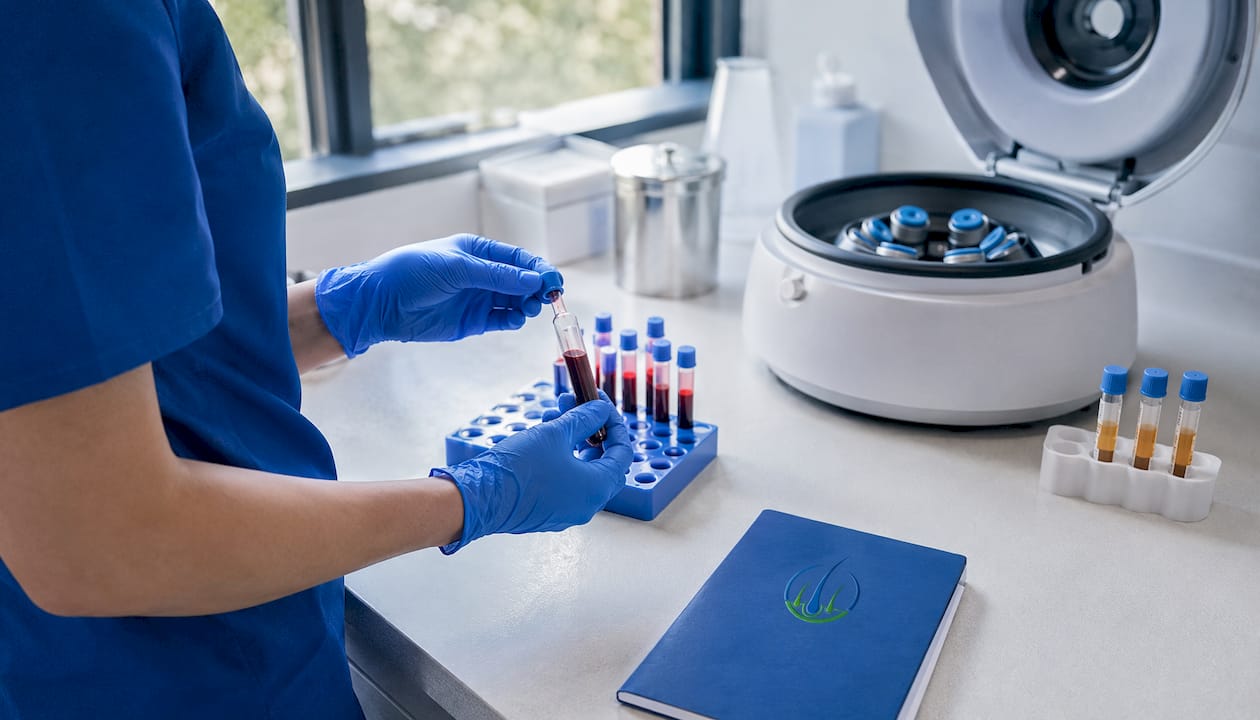
PRP therapy draws on your body’s own healing capacity. A small volume of blood is taken from your arm, spun in a centrifuge to concentrate the platelets and growth factors, and then injected into thinning areas of the scalp. The growth factors stimulate dormant follicles, improve follicle health, and can increase hair density over a course of sessions. Glasgowhairtransplantclinics offers PRP treatment across three sessions for £495, making it one of the more accessible clinical options available in the UK.
Clinical evidence supports PRP as a moderate-effectiveness treatment, particularly for early-to-moderate androgenetic alopecia and for patients who want a non-surgical option with no systemic medication. Results typically become visible after three to six months, and maintenance sessions every three to four months are usually recommended to sustain the improvement. PRP is also frequently combined with a hair transplant to support graft survival and accelerate recovery.
Pros and cons:
- Pro: Uses your own blood, so there is no risk of allergic reaction
- Pro: No downtime; most patients return to normal activity the same day
- Pro: Works well as an adjunct to both medication and surgical transplantation
- Con: Requires ongoing maintenance sessions to sustain results
- Con: Less effective for advanced or long-standing baldness where follicles are no longer active
- Con: Not available on the NHS; costs accumulate over time
Pro Tip: PRP produces the best outcomes when follicles are still partially active. Starting treatment at the first signs of thinning, rather than waiting until loss is advanced, gives the growth factors more to work with.
3. Scalp micropigmentation (SMP) as a cosmetic alternative
Scalp micropigmentation is a specialist tattooing technique that deposits pigment into the upper dermis of the scalp to replicate the appearance of closely cropped hair follicles. It does not grow hair. What it does is create the visual impression of a full, shaved head, which can be highly convincing when performed by a skilled practitioner. For patients with extensive baldness who lack sufficient donor hair for a transplant, SMP can be a genuinely transformative option.
SMP costs between £800 and £3,500 upfront, with a five-year total of £800–£4,250 given its very low maintenance requirements. The pigment fades over two to five years, after which a touch-up session restores the appearance. The technique requires real artistic skill to match pigment tone to skin colour and to create a natural-looking follicle pattern, so choosing a practitioner with a strong portfolio is critical.
Pros and cons:
- Pro: Immediate cosmetic result with no surgical recovery period
- Pro: Works for any stage of hair loss, including complete baldness
- Pro: Very low ongoing maintenance compared to hair systems or medication
- Con: Does not produce actual hair growth
- Con: Requires a commitment to keeping the scalp shaved or very closely cropped for the look to remain convincing
- Con: Pigment fades and will need periodic refreshing
Pro Tip: SMP can also be used beneath a hair system to create a more natural appearance at the hairline when the system is removed. The two techniques complement each other well for patients with advanced loss.
4. Low-level laser therapy (LLLT) and LED light therapy
Low-level laser therapy uses specific wavelengths of red or near-infrared light to stimulate cellular activity within hair follicles, improving their metabolism and extending the growth phase. Devices range from laser combs and caps to helmet-style units designed for home use. The treatment is entirely non-invasive and painless, which makes it attractive for patients who want to avoid both medication side effects and clinical procedures.
LLLT devices cost between £200 and £800, with no significant ongoing expense beyond the initial purchase. Results are typically visible after three to six months of consistent use, and the British Association of Aesthetic Plastic Surgeons notes that low-level light may benefit hair growth and hair calibre. The limitation is that effectiveness is rated as low to moderate; LLLT is best suited to early-stage thinning rather than established baldness, and it works best when used alongside medication rather than as a standalone treatment.
Pros and cons:
- Pro: Non-invasive, painless, and usable at home without clinical visits
- Pro: No systemic side effects
- Pro: Reasonable one-off cost with no ongoing consumables
- Con: Requires several sessions per week, which demands consistent long-term commitment
- Con: Evidence of efficacy is moderate; results vary considerably between individuals
- Con: Ineffective for follicles that have been dormant for many years
Pro Tip: Use an LLLT device on the same days each week and set a calendar reminder. The therapy only works if sessions are regular; sporadic use produces little measurable benefit.
5. Hair restoration systems (non-surgical replacements)
Non-surgical hair systems, sometimes called hairpieces or hair units, are custom-fitted prosthetic hair solutions bonded or clipped to the scalp. Modern systems use either human or high-quality synthetic hair attached to a fine mesh or skin-like base, and when properly fitted and maintained they can be difficult to distinguish from natural hair. Unlike a transplant, a hair system works regardless of how much donor hair you have, making it the most accessible option for patients with advanced or diffuse loss.
Hair systems cost £200–£1,500 upfront and £5,200–£15,800 over five years, reflecting the ongoing cost of replacements, adhesives, and professional maintenance. The result is immediate, with no waiting period for regrowth. The trade-off is the highest maintenance commitment of any option reviewed here: systems typically need professional servicing every four to six weeks, and the base material degrades over time.
Pros and cons:
- Pro: Immediate, full cosmetic coverage regardless of hair loss stage
- Pro: Can achieve greater density than a surgical transplant
- Pro: No surgery, no medication, no recovery period
- Con: Highest five-year cost of any non-surgical option
- Con: Requires regular professional maintenance and periodic replacement
- Con: Adhesives and bonding agents can affect scalp health if not managed carefully
Pro Tip: When choosing a hair system, request a sample of the base material before committing. Lace bases are lighter and more breathable; skin bases offer a more natural hairline appearance but tend to degrade faster.
6. Nutraceuticals and topical hair solution supplements
Nutraceuticals for hair loss include oral supplements containing biotin, zinc, iron, vitamin D, and amino acids, as well as topical products such as caffeine shampoos and ketoconazole-based treatments. The theory behind many of these products is that nutritional deficiencies or scalp inflammation contribute to hair thinning, and that correcting them supports follicle health. Caffeine applied topically has shown some ability to counteract DHT’s effects on follicles in laboratory studies, though clinical evidence in humans remains limited.
The honest picture is that nutraceuticals and topical supplements have limited evidence supporting significant hair regrowth on their own. They are most useful as adjuncts to proven treatments rather than primary therapies. If a genuine nutritional deficiency is present, such as low ferritin or vitamin D, correcting it can meaningfully improve hair shedding. For patients without a deficiency, the benefit of supplementation is marginal.
Key ingredients and their roles:
- Biotin — supports keratin production; deficiency is rare but can cause shedding
- Zinc — involved in follicle repair; low levels are associated with telogen effluvium
- Iron (ferritin) — low ferritin is one of the most common reversible causes of hair loss in women
- Caffeine (topical) — may partially counteract DHT at the follicle level; evidence is preliminary
- Ketoconazole shampoo — reduces scalp inflammation and has some evidence for modest density improvement
7. Steroid injections and immune-modulating therapies for alopecia
Steroid injections and immune-modulating treatments are not designed for androgenetic (pattern) hair loss. They are used specifically for alopecia areata, an autoimmune condition in which the immune system attacks hair follicles, causing patchy bald areas. Intralesional steroid injections deliver corticosteroid directly into the bald patch, suppressing the localised immune attack and allowing follicles to recover. Steroid creams and immunotherapy agents applied to the scalp are used in similar cases.
For patients whose hair loss is autoimmune in origin, these treatments can be effective, though they do not work for everyone and results are not guaranteed. The NHS does commission some of these treatments for alopecia areata, unlike surgical hair restoration, which is not routinely available on the NHS for androgenetic alopecia regardless of gender. Patients with pattern baldness should not expect steroid therapy to produce meaningful results.
Key considerations:
- Steroid injections are typically given every four to six weeks by a dermatologist
- Immunotherapy (such as diphencyprone) is used for more extensive alopecia areata and requires specialist supervision
- Oral immunosuppressants carry systemic risks and are reserved for severe cases
- Side effects of repeated steroid injections include localised skin thinning at the injection site
- A GP referral to dermatology is the appropriate first step for suspected alopecia areata
8. Emerging and cutting-edge hair restoration alternatives
Exosome therapy and stem cell treatments represent the most discussed emerging options in hair restoration. Exosomes are tiny vesicles secreted by cells that carry signalling proteins and growth factors; when injected into the scalp, they may stimulate follicle regeneration more potently than PRP. Stem cell therapies aim to replenish the pool of progenitor cells that maintain follicle cycling. Both approaches have shown promising early data, but neither is widely licensed in the UK and both remain investigational.
Novel drug candidates are also in development. JAK inhibitors, originally developed for rheumatoid arthritis, have shown efficacy in alopecia areata and are being investigated for androgenetic applications. Clascoterone, a topical androgen receptor blocker, is another candidate under study. The practical reality for most patients in 2026 is that these treatments are either not yet available outside clinical trials or carry price tags that put them out of reach for routine use.
What to know about emerging therapies:
- Exosome therapy is available at some private UK clinics but is not regulated as a licensed medicine
- Stem cell treatments are largely experimental; claims of efficacy should be assessed critically
- JAK inhibitors have received regulatory approval for alopecia areata in some markets; UK licensing is evolving
- Costs for experimental treatments are high and are not covered by insurance or the NHS
- Participation in a clinical trial is the most credible route to accessing these therapies at present
9. How do the main alternatives compare across key criteria?
| Treatment | Effectiveness | Upfront cost | Time to result | Invasiveness | Best suited for | Side effects |
|---|---|---|---|---|---|---|
| Finasteride | Moderate (slows/stops loss) | £0–£30/month | 3–6 months | None (oral pill) | Androgenetic alopecia, early to moderate | Sexual side effects in a minority |
| Minoxidil | Moderate (regrowth in some) | £10/month | 3–6 months | None (topical) | Androgenetic alopecia, any stage | Initial shedding, scalp irritation |
| PRP therapy | Moderate (density boost) | £200–£800 | 3–6 months | Minimally invasive | Early to moderate thinning | Mild scalp tenderness post-injection |
| SMP | Cosmetic (shaved look) | £800–£3,500 | 2–3 weeks | Minimally invasive | Any stage, including complete baldness | Pigment fading, rare allergic reaction |
| LLLT | Low to moderate | £200–£800 (device) | 3–6 months | Non-invasive | Early thinning, adjunct use | None reported |
| Hair system | High (any stage) | £200–£1,500 | Same day | Non-invasive | Any stage, especially advanced loss | Scalp irritation from adhesives |
| Hair transplant (FUE) | High (Norwood 2–5) | £3,000–£15,000 | 8–12 months | Surgical | Moderate loss with adequate donor supply | Scarring, temporary shock loss |
10. Key considerations before choosing a hair transplant alternative
Choosing the right treatment starts with understanding your specific type and stage of hair loss. Androgenetic alopecia, alopecia areata, telogen effluvium, and scarring alopecias each respond to different interventions, and a treatment that works well for one will be ineffective or even inappropriate for another. A consultation with a qualified specialist is the single most important step before committing to any course of treatment.
Beyond diagnosis, consider the following:
- Stage of loss: Early thinning responds well to medication and LLLT; advanced loss may require a hair system, SMP, or surgical transplant
- Donor hair availability: Transplants and PRP both depend on viable follicles; patients with extensive loss may have insufficient donor supply
- Maintenance commitment: Medication requires daily adherence; hair systems need professional servicing every four to six weeks; SMP needs a touch-up every two to five years
- Budget: Over five years, medication and LLLT are the least expensive options; hair systems carry the highest cumulative cost
- Invasiveness preference: Non-surgical options suit patients who want to avoid recovery periods or surgical risk
- Clinic credentials: Verify that any clinic you consider holds CQC registration in England or HIS registration in Scotland, and that surgeons are listed on the GMC register
- Realistic expectations: No treatment restores a full head of hair overnight; timelines range from a few weeks (SMP, hair systems) to twelve months (FUE transplant)
Pro Tip: Before booking any treatment, request a detailed written breakdown of costs including maintenance, not just the upfront figure. The true cost of a hair system over five years is considerably higher than the initial fitting fee.
11. Natural approaches to hair loss: effectiveness and myths
Natural remedies attract considerable attention, but the clinical evidence for most of them is thin. Rosemary oil is the most studied natural topical treatment; one small trial found it comparable to 2% minoxidil for hair count improvement after six months, though the evidence base is far from definitive. Scalp massage has some support for improving hair thickness in androgenetic alopecia when performed consistently over several months, likely by increasing blood flow and stretching follicle cells.
Popular remedies with little or no clinical backing include castor oil, onion juice, and egg masks. These are not harmful, but patients should not expect them to reverse established hair loss. The more productive approach is to address modifiable lifestyle factors: chronic stress elevates cortisol and can trigger telogen effluvium; nutritional deficiencies in iron, vitamin D, or protein accelerate shedding; and smoking has been associated with accelerated androgenetic alopecia.
What the evidence actually supports:
- Rosemary oil (topical): Some evidence for mild improvement; best used as an adjunct, not a primary treatment
- Scalp massage: May modestly improve hair thickness with consistent daily practice
- Stress management: Reducing chronic stress can help resolve telogen effluvium
- Correcting nutritional deficiencies: Addressing low ferritin, vitamin D, or zinc can reduce shedding where deficiency is confirmed
- Smoking cessation: Associated with slower progression of androgenetic alopecia
Natural approaches work best as supportive measures alongside evidence-based treatments, not as replacements for them.
12. Trust signals and quality assurance for hair restoration in the UK
Choosing a hair restoration provider in the UK requires more than reading reviews. The regulatory framework matters. In England, hair transplant clinics must be registered with the Care Quality Commission (CQC); in Scotland, registration with Healthcare Improvement Scotland (HIS) is the equivalent standard. Surgeons performing hair transplants should be listed on the General Medical Council (GMC) register, which you can verify directly at the GMC’s public website.
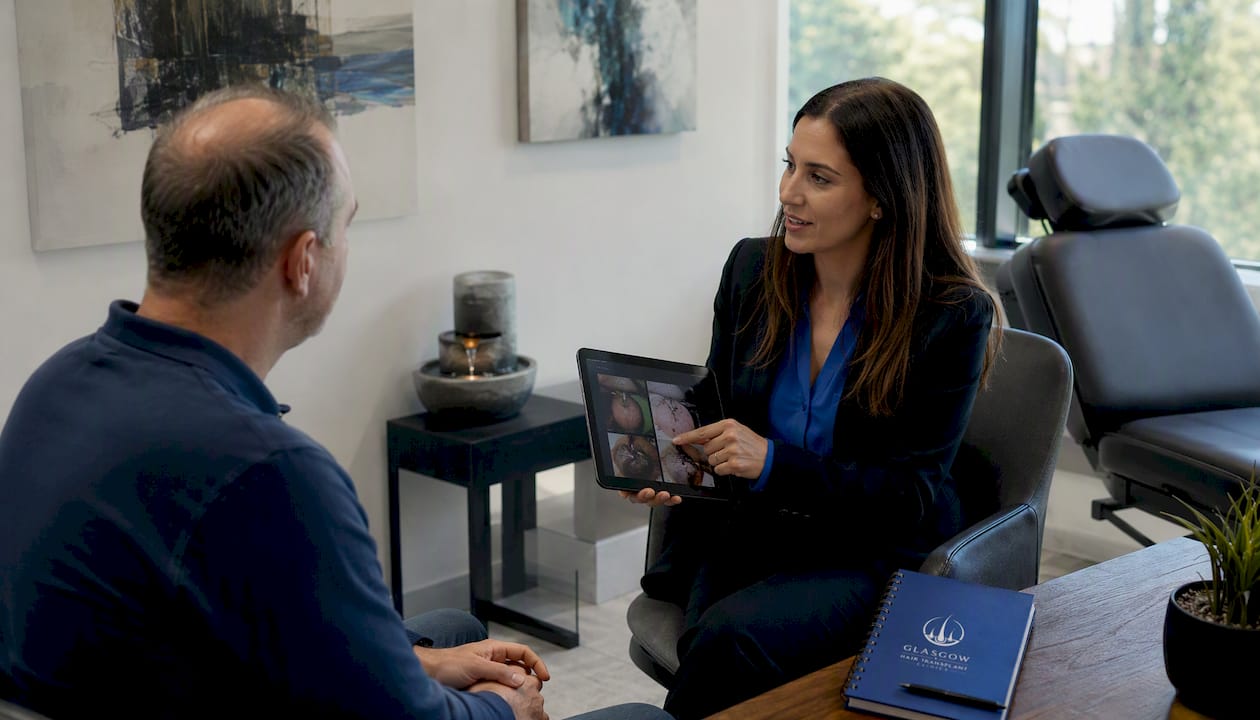
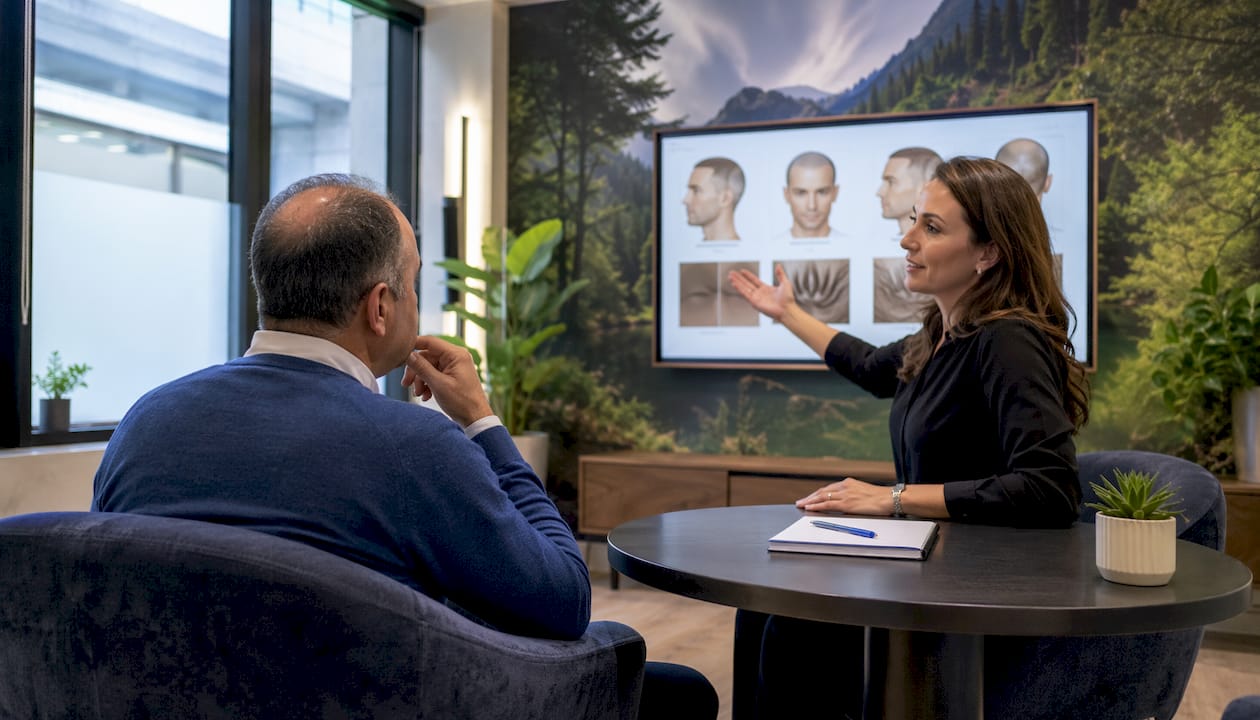
Glasgowhairtransplantclinics holds both CQC and HIS registration, and its surgeons are GMC-registered, providing the formal assurance that underpins patient safety. The clinic offers free consultations, both online and face-to-face, which allows patients to discuss their specific pattern of loss and receive a personalised treatment recommendation before committing financially. Transparent pricing and a clear explanation of what each treatment involves are markers of a clinic operating to a high standard.
What to look for when evaluating a UK hair restoration provider:
- CQC registration (England) or HIS registration (Scotland) displayed and verifiable
- Surgeons listed on the GMC register
- A documented consultation process before any treatment is agreed
- Clear, itemised pricing that includes maintenance and follow-up costs
- Before-and-after photography from real patients, not stock images
- No pressure to commit during the initial consultation
The NHS does not routinely commission hair transplants for androgenetic alopecia, which means the private sector carries the full responsibility for quality assurance. Verifying credentials before you proceed is not optional.
13. What does the Hair Transplant Liverpool procedure involve, and what are its limitations?
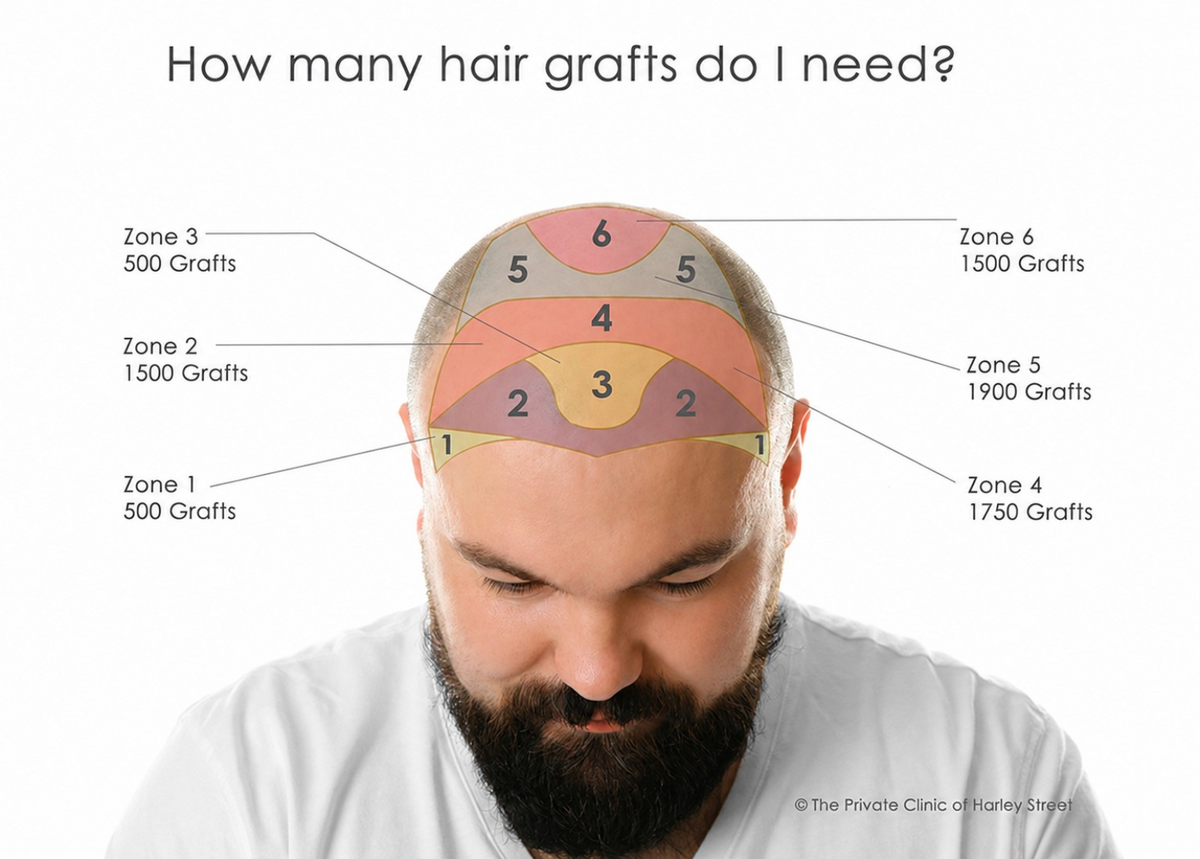
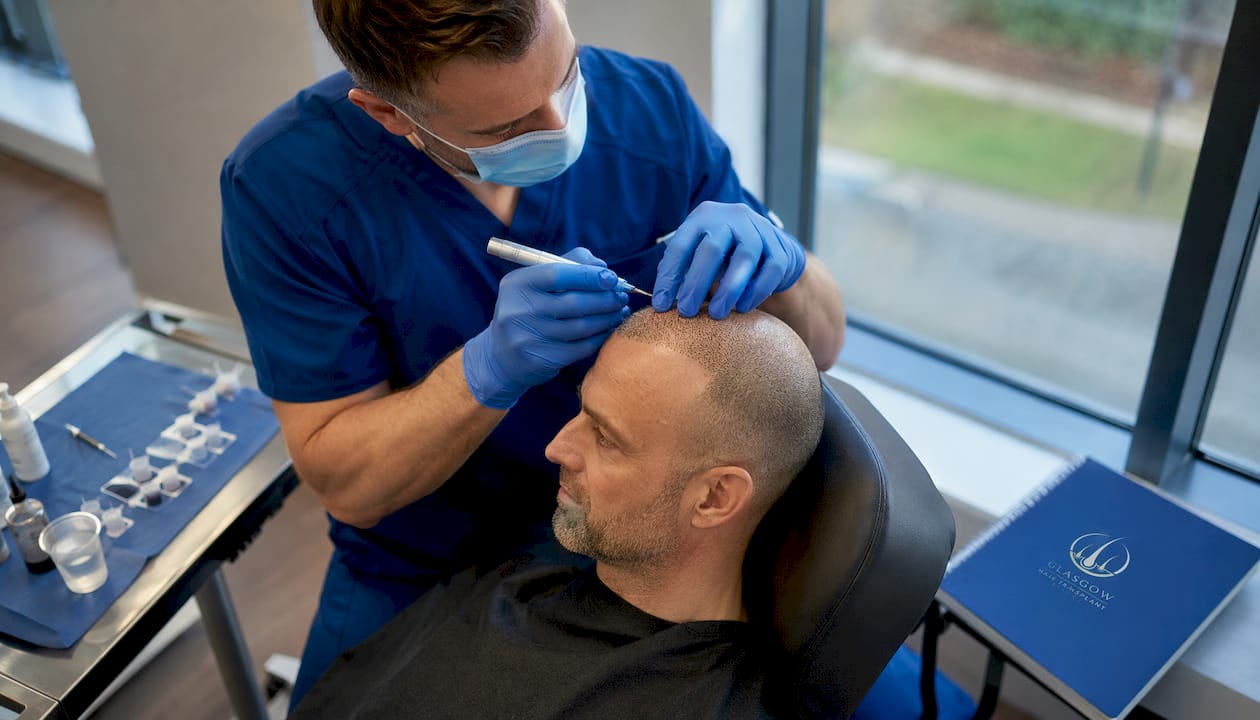
A hair transplant using Follicular Unit Extraction (FUE) involves removing individual follicular units from a donor area, typically the back and sides of the scalp, and implanting them into thinning or bald areas. The transplanted follicles are taken from DHT-resistant zones, which means the hair they produce is permanent. FUE is the most common transplant method in the UK, preferred over the older strip method because it leaves no linear scar and has a shorter recovery period.
The limitations of a hair transplant are real and worth understanding clearly. Results take time: transplanted hairs shed within the first few weeks, then regrow gradually, with the final outcome not visible for eight to twelve months. Donor supply is finite; patients at Norwood scale 6 or 7 may not have enough donor hair to achieve meaningful coverage of the affected area. The procedure is also classified as cosmetic and is not routinely available on the NHS, meaning the full cost falls to the patient. Upfront costs range from £3,000 to £15,000 depending on the number of grafts required.
Post-operative medication is not optional for most patients. Finasteride or minoxidil, or both, are typically recommended after a transplant to protect the native hair that continues to thin around the transplanted area. Without medication, the contrast between dense transplanted zones and thinning untreated areas can become pronounced over time. Understanding this ongoing commitment is part of making an informed decision about whether surgery is the right route.
14. How do you evaluate surgical versus non-surgical alternatives?
The most useful framework for comparing surgical and non-surgical options covers six criteria: effectiveness, cost over time, treatment duration and commitment, invasiveness, suitability for your specific hair loss pattern, and side effect profile.
Surgical transplantation produces the most natural permanent result for patients with moderate androgenetic alopecia and adequate donor supply, but it requires a significant upfront investment, a twelve-month wait for full results, and ongoing medication to protect surrounding hair. Non-surgical options trade permanence for accessibility: medication and LLLT are low-cost and low-risk but require indefinite daily or weekly commitment; SMP and hair systems deliver immediate cosmetic results but do not address the underlying biology of hair loss.
The combination approach is increasingly the standard recommendation among specialists. Finasteride plus minoxidil addresses the hormonal and follicular causes; PRP supports follicle health; and a transplant or SMP addresses the cosmetic deficit where medication alone cannot restore density. Matching the combination to your Norwood scale, donor supply, budget, and lifestyle is what a thorough clinical consultation should deliver. Patients exploring uk-hairtransplants.com, hairtransplantglasgow.org, or hairtransplantgroup.co.uk alternatives will find that this multi-modal thinking applies regardless of which provider they choose.
Evaluation criteria summary:
| Criterion | Surgical (FUE transplant) | Non-surgical (medication, SMP, LLLT, hair system) |
|---|---|---|
| Effectiveness | High, permanent for transplanted hair | Moderate to high; varies by method |
| Cost over five years | £3,500–£15,800 | £200–£15,800 depending on method |
| Treatment duration | 8–12 months to full result | Days (SMP/systems) to 6 months (medication/LLLT) |
| Invasiveness | Surgical; local anaesthetic required | Minimal to none |
| Suitability | Norwood 2–5 with adequate donor hair | Any stage; hair systems suit advanced loss |
| Side effects | Temporary shock loss, scarring risk | Varies; generally mild |
Ready to explore your options with a qualified specialist?
Glasgowhairtransplantclinics offers a free consultation, online or in person, to help you identify the most appropriate treatment for your pattern and stage of hair loss. Whether you are considering PRP therapy, medication, or a surgical transplant, the team’s GMC-registered surgeons will give you an honest, evidence-based assessment with no obligation to proceed. View real patient results and see the standard of work before you decide.
Key takeaways
The most effective long-term approach to hair restoration combines evidence-based medication with the appropriate surgical or cosmetic intervention matched to your specific Norwood stage and donor supply.
| Point | Details |
|---|---|
| Medication is foundational | Finasteride and minoxidil slow or stop androgenetic hair loss and protect native hair after a transplant. |
| SMP costs several hundred to a few thousand pounds upfront | It delivers immediate cosmetic results for any stage of loss but does not produce actual hair growth. |
| Hair systems have the highest ongoing cost | Five-year totals of £5,200–£15,800 reflect the commitment of regular professional maintenance and replacement. |
| LLLT devices cost a few hundred pounds | Results are low to moderate and require several sessions per week over three to six months to become visible. |
| Clinic registration matters | CQC or HIS registration and GMC-listed surgeons are the minimum standards to verify before choosing a UK provider. |

About the author
Dr Harpreet Kalra is a GP and hair-transplant surgeon at Glasgow Hair Transplant Clinics. His consultations consider the diagnosis, donor area, existing hair and likely future pattern before treatment is discussed.
Compare your hair restoration options
Our Glasgow team can review your hair loss and explain suitable alternatives before you decide where to have treatment.
Book a Free Consultation